Maximize Team Growth: Integrating AI Into Human Workflows

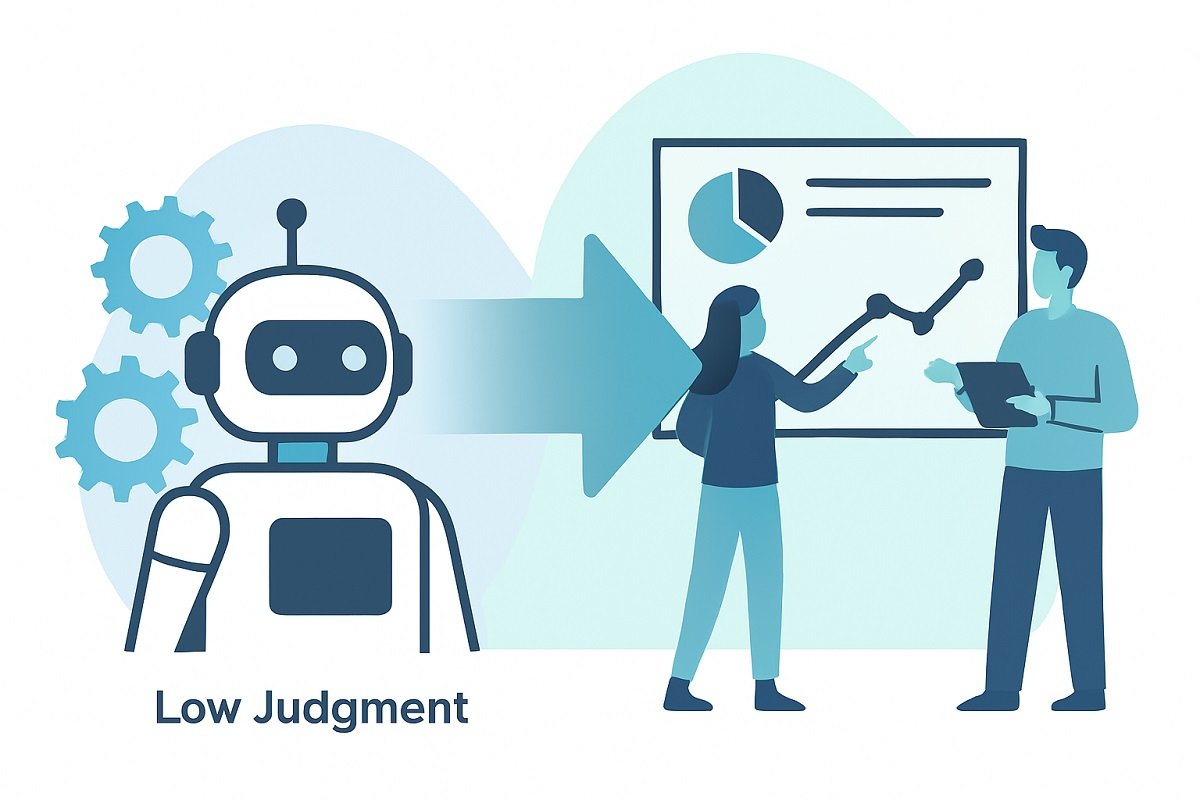
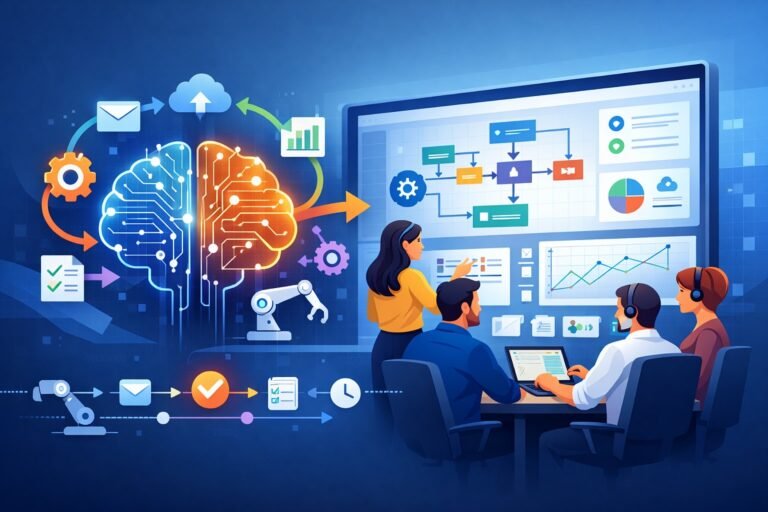
Integrating AI into human workflows is no longer optional — it’s the key to amplifying your team’s productivity. Artificial intelligence doesn’t replace your staff; it enhances their efficiency, reduces errors, and helps your business scale without burnout.
Most businesses fail because they either:
- Automate too aggressively and lose human oversight
- Or use AI casually without embedding it into structured processes
This guide shows you how to integrate AI into human workflows in a way that improves performance without sacrificing control, security, or accountability.
What Is Human–AI Workflow Integration?
Human–AI workflow integration means designing processes where:
- AI handles repetitive, data-heavy, or predictive tasks
- Humans handle judgment, creativity, ethics, and final decisions
- Both operate inside a structured system
Instead of replacing people, AI becomes a workflow assistant embedded into daily operations.
Why Businesses Struggle With AI Integration
Most teams:
- Add AI tools randomly
- Skip workflow redesign
- Fail to define accountability
- Ignore data governance
AI only works well when it’s mapped into a structured workflow, not used as a floating tool.
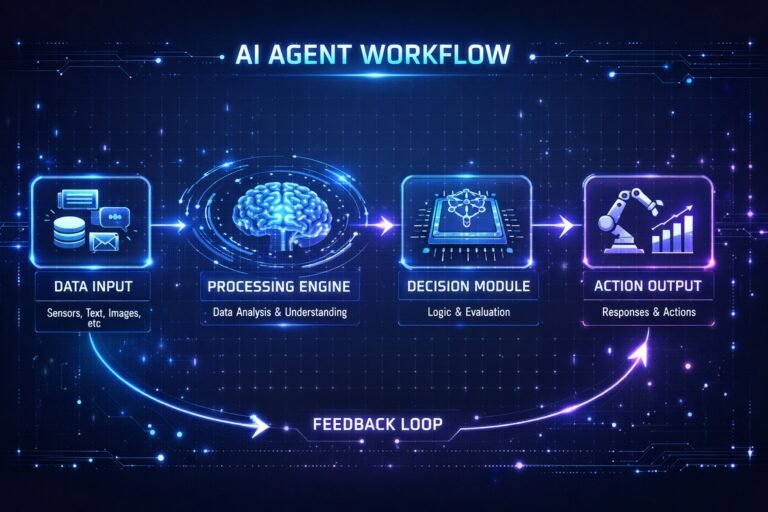
The Human–AI Workflow Model
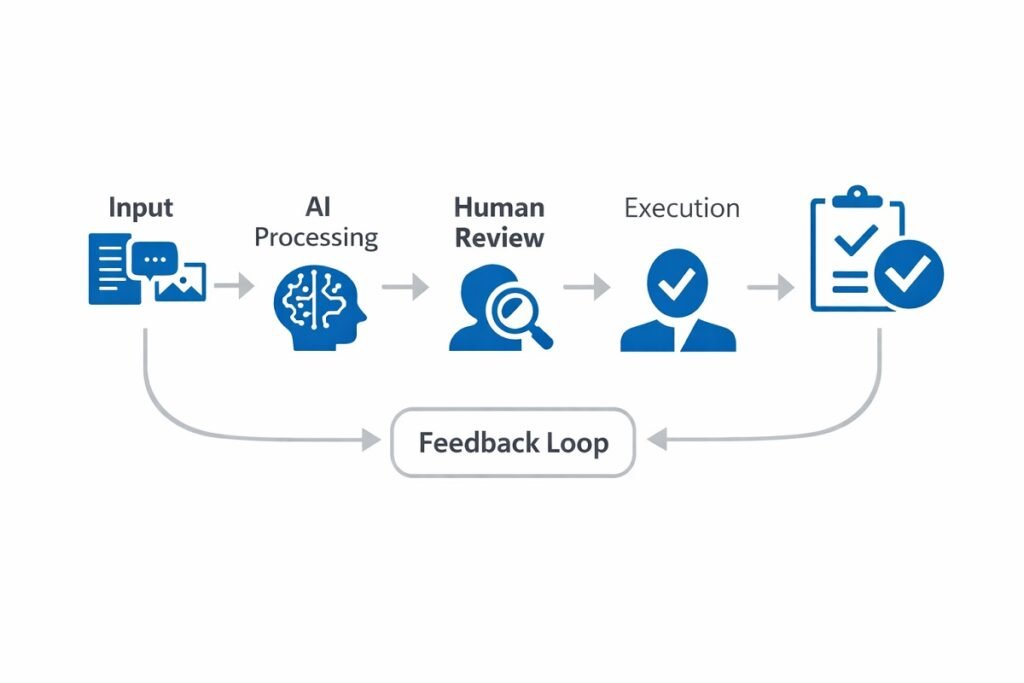
Here’s a simplified framework you can use:
| Stage | AI Role | Human Role | Risk Level |
| Data Collection | Automate gathering & processing | Define data rules | Low |
| Analysis | Pattern detection, forecasting | Validate insights | Medium |
| Decision Support | Generate recommendations | Final decision | High |
| Execution | Automate repetitive tasks | Monitor & intervene | Medium |
| Optimization | Continuous learning | Adjust strategy | Medium |
This structure ensures:
- AI increases speed
- Humans retain authority
- Risk remains controlled
AI-Only vs Human-Only vs Hybrid Workflow Systems
| Feature | AI-Only | Human-Only | Human + AI (Hybrid) |
| Speed | Very High | Low | High |
| Accuracy | Data-driven | Judgment-driven | Optimized |
| Risk | High if unchecked | Low | Controlled |
| Scalability | High | Low | High |
| Compliance | Risky | Safe | Structured |
Step-by-Step: How to Integrate AI Into Human Workflows
Let’s break this into actionable steps.
Step 1: Audit Your Current Workflow
Before adding AI, ask:
- Where are delays happening?
- What tasks are repetitive?
- Where are human errors common?
- What decisions require judgment?
AI should support bottlenecks, not replace strategic roles.
Step 2: Categorize Tasks by Automation Potential
Use this matrix:
| Task Type | Automate Fully | AI + Human | Human Only |
| Data entry | ✅ | ||
| Report generation | ✅ | ||
| Customer segmentation | ✅ | ||
| Content drafting | ✅ | ||
| Strategic planning | ✅ | ||
| Legal approval | ✅ |
This prevents over-automation.

Real-World Example: Marketing Team Workflow
Before AI:
- Collect campaign data
- Analyze manually
- Build reports
- Draft strategy
After AI integration:
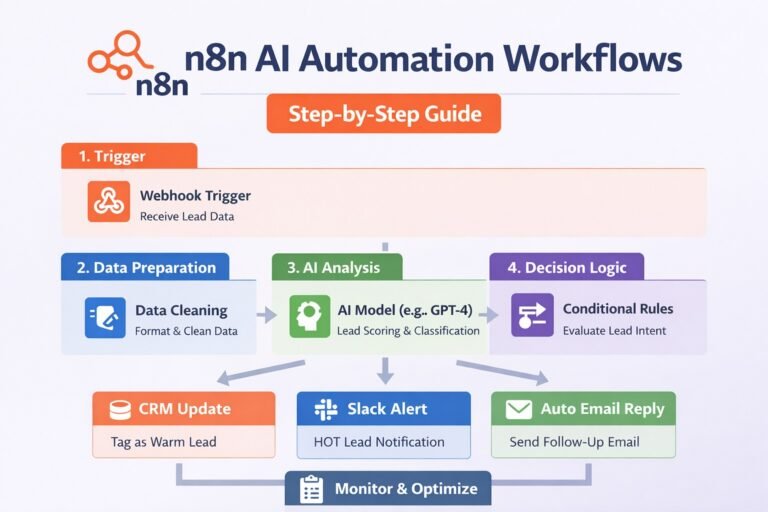
- AI collects and structures campaign data
- AI identifies trends and anomalies
- AI drafts performance report
- Human reviews and adjusts strategy
Result:
- Faster reporting
- Fewer calculation errors
- More time for strategic thinking
AI Integration Maturity Levels
Understanding where you are helps you grow strategically.
| Level | Description | Risk | Scalability |
| Level 1: Tool Usage | AI used occasionally | Low | Low |
| Level 2: Assisted Workflow | AI embedded in tasks | Medium | Medium |
| Level 3: Structured Integration | AI mapped to processes | Controlled | High |
| Level 4: AI-Augmented System | AI + human oversight loops | Managed | Very High |
Most businesses sit at Level 1 or 2.
Competitive companies move toward Level 3.
Governance: The Critical Missing Layer
Integrating AI into workflows without governance creates:
- Data privacy risks
- Decision bias
- Compliance violations
- Loss of accountability
You must define:
- Who approves AI-generated outputs?
- What data can AI access?
- What decisions require human override?
- How often performance is reviewed?
AI without oversight is automation.
AI with oversight is strategy.
Human Skills That Become More Valuable
When AI is integrated properly, humans shift to:
- Critical thinking
- Ethical evaluation
- Exception handling
- Creative problem solving
- Cross-functional coordination
The goal is not fewer humans.
The goal is higher-value humans.
Common Mistakes to Avoid
- Replacing instead of augmenting
- Automating sensitive decisions
- Ignoring compliance requirements
- No performance tracking
- Not training employees
If your team fears AI, integration will fail.
Education must be part of implementation.
KPI Framework for Measuring Success
To evaluate integration effectiveness, track:
| Metric | Before AI | After AI | Improvement Target |
| Task Completion Time | 4 hours | 1.5 hours | -50% |
| Error Rate | 8% | 2% | -60% |
| Decision Cycle Time | 3 days | 1 day | -40% |
| Employee Productivity | Baseline | +25% | +20% |
Security Considerations in Human–AI Workflows
You should always consider:
- Data encryption
- Access control
- Role-based permissions
- Audit logs
- AI output validation
Sensitive industries like healthcare, finance, and legal sectors require stricter review processes.
The Future of AI-Integrated Workflows
The next evolution is:
- AI agents coordinating between departments
- Automated feedback loops
- Real-time decision assistance
- Context-aware AI systems
But the human layer will always remain critical. Organizations that design workflows intentionally will outperform those that just “use AI tools.”
Choosing the Right AI Workflow Tools for Structured Integration
Integrating AI into human workflows is not just about strategy — it depends heavily on selecting the right tools.
Not all AI workflow platforms support:
- Role-based approvals
- Governance controls
- Audit logs
- Multi-step human validation
- Enterprise-grade security
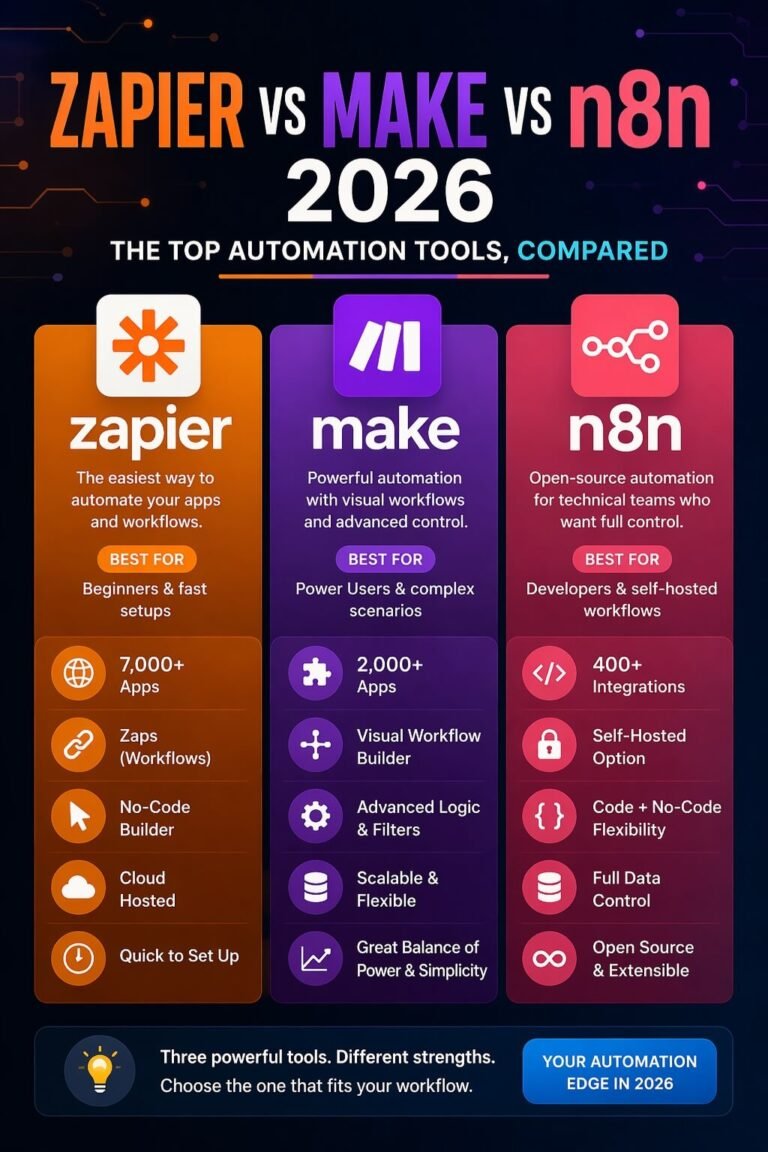
If you’re evaluating platforms, compare features such as automation depth, scalability, integration support, and compliance readiness.
👉 See our in-depth guide to AI workflow automation tools for businesses
Final Thoughts
Integrating AI into human workflows isn’t about speed alone.
It’s about designing smarter systems where humans and machines complement each other.
Start small.
Map your process.
Add AI where it reduces friction.
Keep humans where judgment matters.
That’s how you scale responsibly.
Free Checklist: Human–AI Workflow Integration Framework
If you’re implementing AI in your organization, use this 7-point checklist:
- Identify repetitive processes
- Categorize tasks by risk level
- Define human approval checkpoints
- Set access control rules
- Implement performance KPIs
- Monitor AI output accuracy
- Review compliance regularly
You can turn this into:
- A downloadable PDF
- A Notion template
- A workflow mapping template
👉 Download the Human–AI Workflow Integration Checklist
Just send us your email address here: ai@workflowaisuite.com
Frequently Asked Questions (FAQ)
What does integrating AI into human workflows mean?
Integrating AI into human workflows means embedding artificial intelligence into structured business processes where AI handles repetitive, analytical, or predictive tasks while humans maintain oversight, judgment, and final decision-making authority. The goal is to improve efficiency without removing human accountability.
How can businesses safely integrate AI into existing workflows?
Businesses can safely integrate AI by first auditing their workflows, identifying low-risk automation opportunities, defining human approval checkpoints, and implementing governance controls such as access permissions and audit logs. AI should support decision-making, not replace critical human judgment.
What tasks should not be fully automated with AI?
Tasks that involve legal approval, ethical decision-making, high-risk financial decisions, strategic planning, and sensitive customer interactions should not be fully automated. These areas require human oversight to reduce compliance risks and bias.
What are the benefits of combining AI and human workflows?
The main benefits include faster task completion, reduced errors, improved data analysis, better scalability, and increased employee productivity. When structured properly, AI allows teams to focus on higher-value strategic work instead of repetitive manual tasks.
What industries benefit most from AI workflow integration?
Industries such as marketing, finance, healthcare, legal services, customer support, and operations management benefit significantly from AI workflow integration. Any industry that processes large volumes of data or repetitive tasks can gain efficiency improvements.
How do you measure the success of AI integration in workflows?
Success can be measured using key performance indicators such as reduced task completion time, lower error rates, improved decision cycle speed, increased productivity, and measurable cost savings. Tracking these metrics before and after AI implementation provides clear ROI insights.
What are the risks of integrating AI into workflows?
Risks include data privacy concerns, algorithmic bias, over-automation, lack of accountability, and compliance violations. These risks can be minimized by implementing governance policies, maintaining human review checkpoints, and regularly auditing AI performance.
Is AI workflow integration suitable for small businesses?
Yes. Small businesses can start with limited automation such as report generation, email drafting, customer segmentation, or data organization. Starting small reduces risk while allowing teams to experience productivity improvements quickly.
Research & Industry Trends Referenced
- Enterprise AI governance frameworks
- Workflow automation scalability studies
- AI-human collaboration models
- Business process optimization standards
Ready to Build a Smarter AI Workflow System?
If you’re serious about structured AI integration, your next step is choosing tools that support human oversight, automation depth, and scalability.
Explore our complete breakdown of AI workflow automation tools designed for modern businesses.
👉 Read the full AI Workflow Automation Tools Guide