Master AI workflow automation with practical, step-by-step guides designed for businesses, agencies, and professionals. Our Guides category covers everything from planning and implementing AI workflows to choosing the right automation tools, integrating CRMs, optimizing business processes, and following automation best practices.
Whether you’re just getting started or scaling advanced AI systems, you’ll find actionable tutorials, expert insights, and proven strategies to automate repetitive tasks, improve productivity, and drive business growth with confidence.
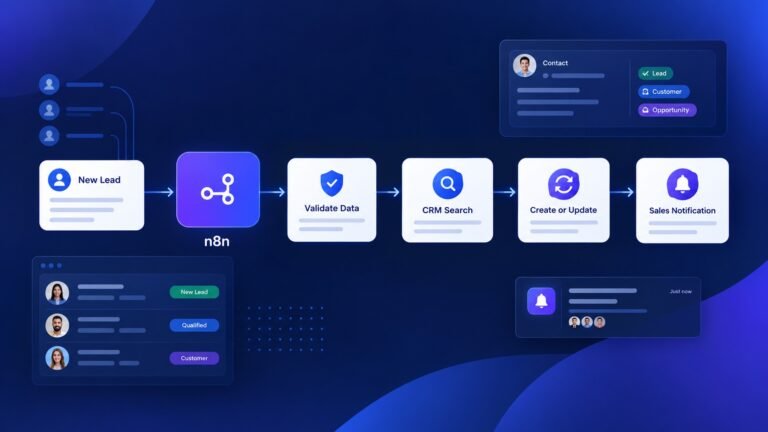
Manually updating CRM records can quickly become repetitive. A new lead arrives through a website form, spreadsheet, email campaign, or another sales tool. Someone then has to find the contact in the CRM, check whether the record already exists, enter the latest information, update the lead status, and notify the appropriate salesperson. You can automate…
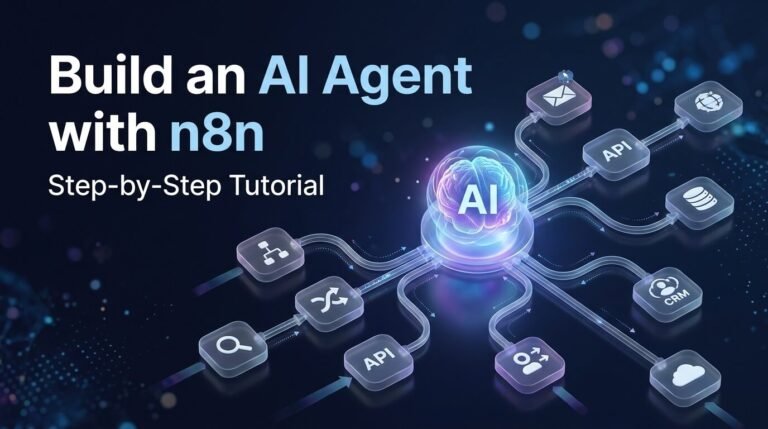
AI agents are changing how businesses approach automation. Instead of creating a workflow where every possible step has to be defined in advance, an AI agent can interpret a request, decide what information it needs, use connected tools, and take actions based on the task. With n8n, you can build these AI-powered systems visually and…
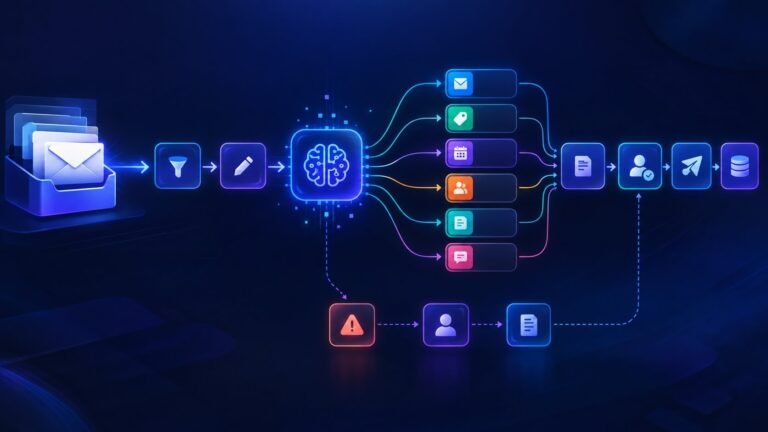
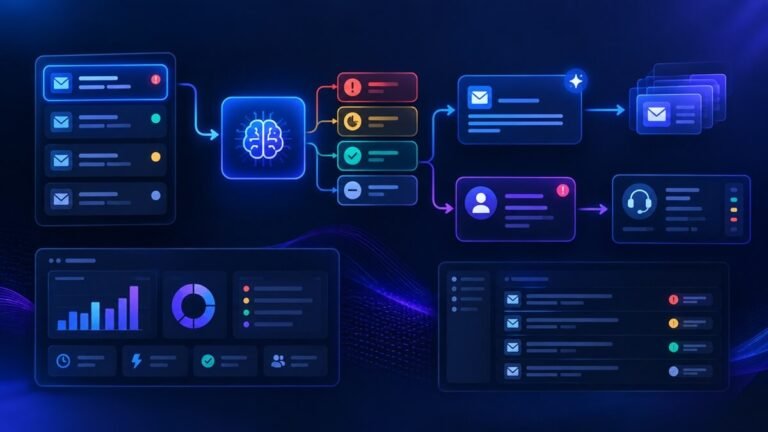
Businesses spend countless hours reading, sorting, forwarding, and responding to repetitive emails. An n8n AI email automation workflow can handle much of this work automatically by connecting your email inbox with AI, business rules, and other applications. Instead of manually reviewing every incoming message, you can build a workflow that receives an email, analyzes its…
Customer support teams spend a significant amount of time handling repetitive tickets, categorizing incoming requests, writing similar replies, and deciding which issues need a human agent. An n8n AI customer support workflow can automate much of this process without removing human oversight. Instead of sending every ticket directly to an AI model, the workflow can…
HubSpot has moved beyond simple rule-based automation. With AI-powered workflow features, businesses can now use artificial intelligence to analyze CRM data, summarize records, categorize information, generate content, research prospects, and help determine what should happen next. That creates a different type of automation. Traditional automation follows predefined instructions: If X happens → do Y. AI…
Businesses are moving into a new phase of automation. For years, companies used software to record transactions, store information, manage customers, and coordinate employees. Then workflow automation began connecting those systems and handling repetitive tasks. Now, artificial intelligence is adding another capability: systems can interpret information, understand context, generate content, make recommendations, and in some…
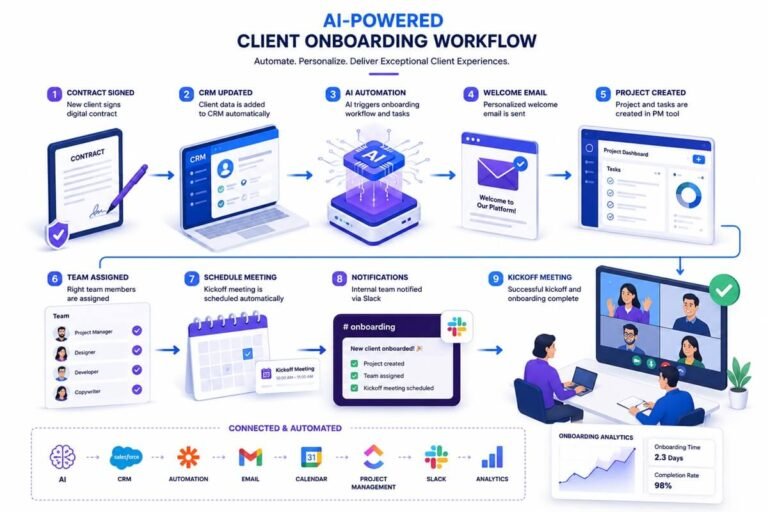
Acquiring a new client is one of the most rewarding milestones for any business. However, winning the deal is only the beginning. The way you welcome, organize, and guide new customers during their first interactions often determines whether they become long-term partners or short-term clients. Unfortunately, many businesses still rely on scattered emails, spreadsheets, sticky…
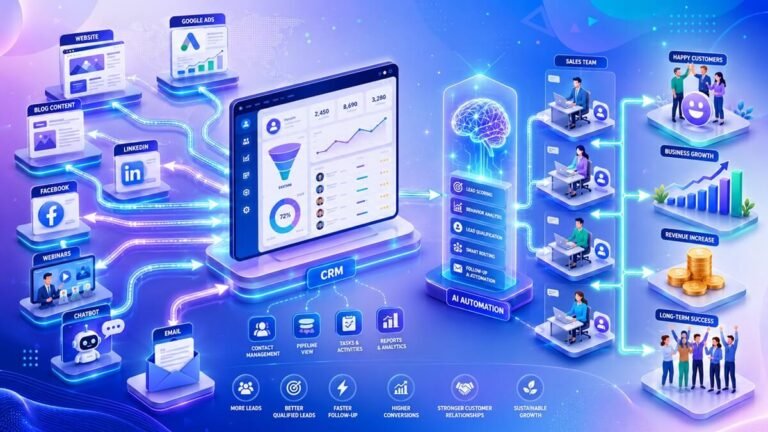
“Build repeatable lead generation systems that turn visitors into qualified opportunities with less manual work and more consistent follow-up.“ Whether you generate leads through SEO, Google Ads, LinkedIn, webinars, referrals, or outbound prospecting, the biggest challenge isn’t attracting interest—it’s managing every lead consistently from the first interaction to the first sales conversation. This guide walks…
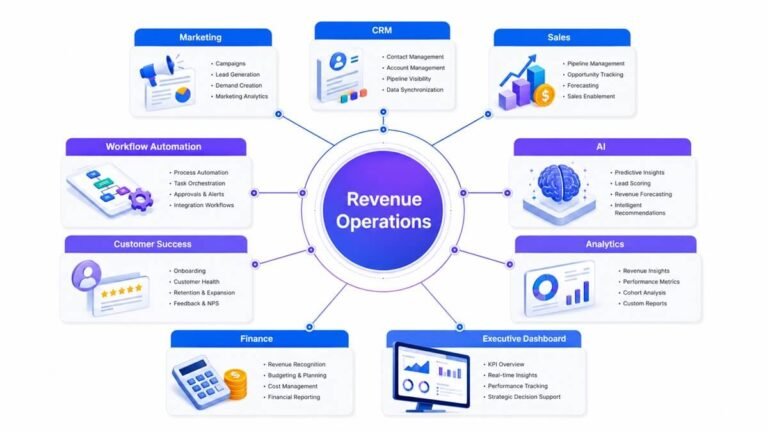
Revenue Operations Automation (RevOps Automation) is the practice of using integrated technology, standardized processes, and intelligent workflows to manage the entire revenue lifecycle—from lead generation and sales execution to customer retention and expansion. Rather than operating sales, marketing, customer success, and finance as separate functions, RevOps creates a unified operating model built around shared data,…
Modern sales teams don’t lose deals because they lack leads—they lose them because their CRM workflow is disorganized. Leads get assigned late, follow-ups are forgotten, duplicate contacts pile up, and sales reps waste hours on repetitive administrative tasks instead of closing deals. Businesses looking to eliminate repetitive work should also explore AI workflow tools that…