Best AI Books to Master AI Workflows and Automation (2026 Edition)

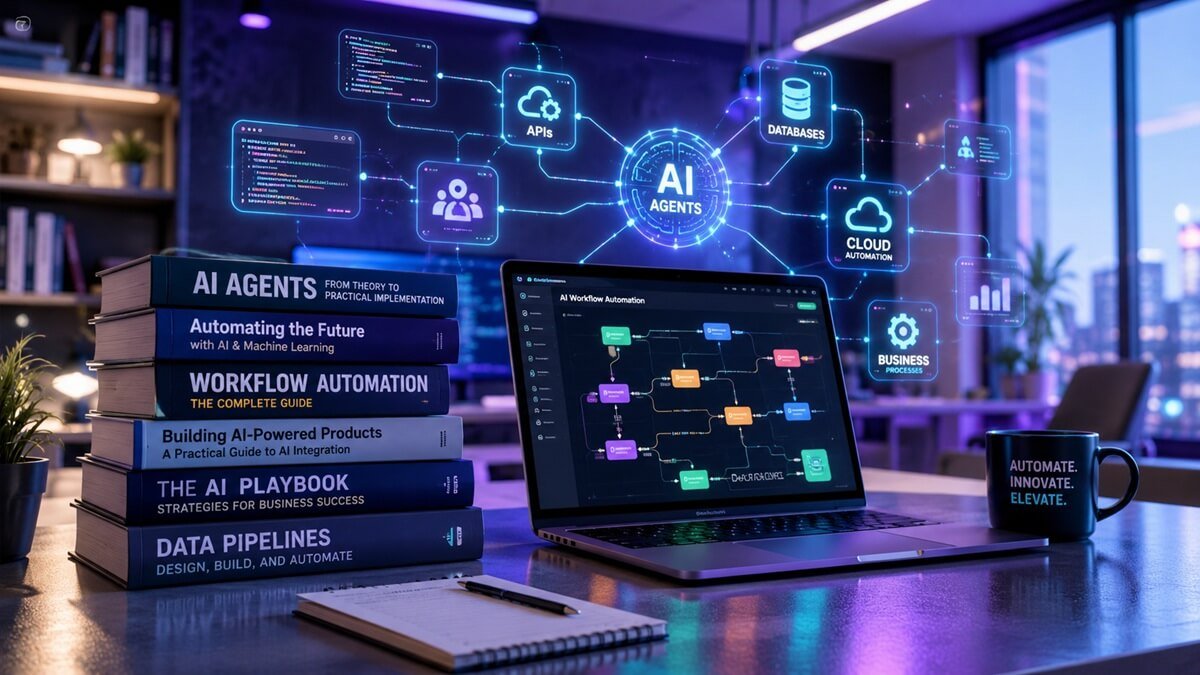
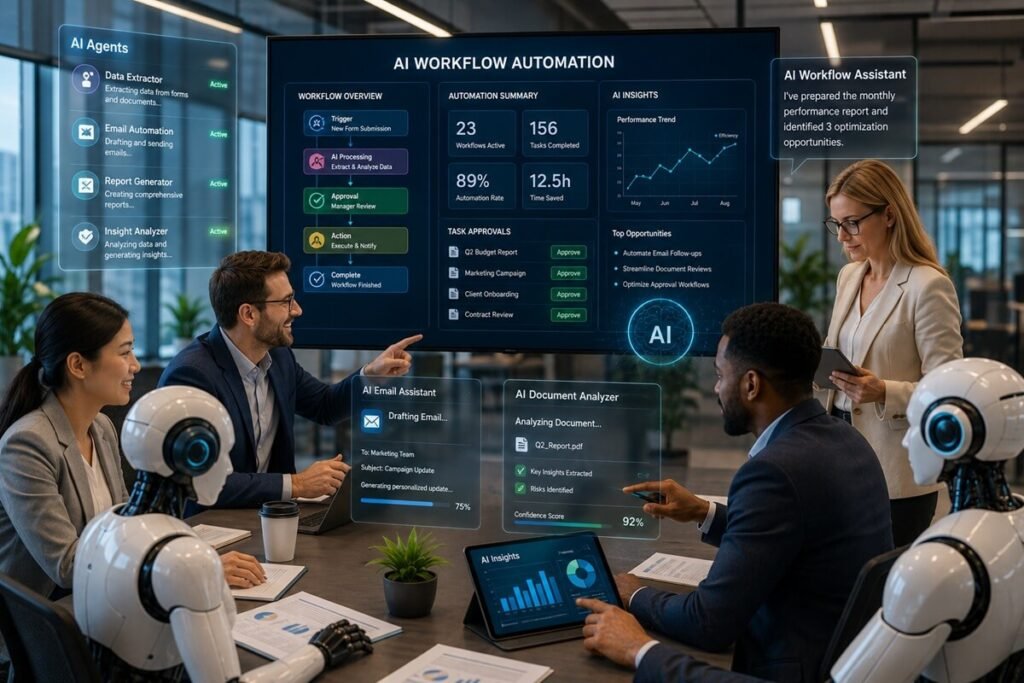
Artificial intelligence has moved far beyond chatbots and content generation. Today’s businesses are building AI-powered workflows that automate repetitive tasks, connect applications, analyze data, assist decision-making, and even coordinate multiple AI agents with minimal human intervention.
Whether you’re an entrepreneur, operations manager, developer, marketer, or automation consultant, learning automation workflows from best AI books is becoming a valuable professional skill. If you’re new to the topic, our guide on AI workflows explained for businesses and teams provides a solid foundation before exploring the books in this list.
However, the challenge is that the number of AI books has exploded, while only a small percentage focus on practical workflow automation instead of broad AI theory.
This guide uncovers the most valuable books for understanding AI workflows, business automation, AI agents, prompt engineering, orchestration, and intelligent process design. Rather than simply listing popular AI titles, we’ve selected books that help you build real automation systems using modern concepts that apply to tools like ChatGPT, Claude, Gemini, n8n, Make, Zapier, LangChain, and enterprise AI platforms.
By the end of this guide, you’ll know:
- Which books are best for beginners
- Which titles focus on business workflow automation
- Which books teach AI agents and autonomous systems
- Which resources help developers build production AI workflows
- The ideal reading path from beginner to advanced
Quick Comparison: Best AI Workflow Books
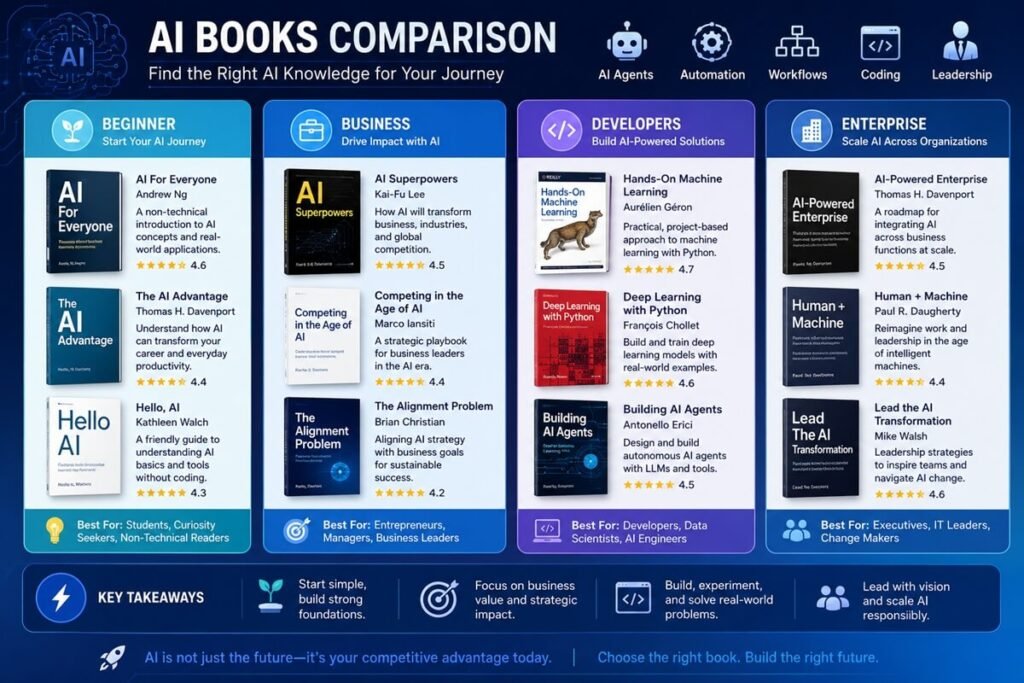
If you’re serious about mastering AI automation instead of just experimenting with AI tools, these books provide an excellent foundation.
| Book | Best For | Difficulty | Workflow Focus |
| AI Engineering | Developers & AI builders | Intermediate | ⭐⭐⭐⭐⭐ |
| Co-Intelligence | Business professionals | Beginner | ⭐⭐⭐⭐☆ |
| The AI-Savvy Leader | Managers & executives | Beginner | ⭐⭐⭐⭐☆ |
| Designing Machine Learning Systems | Production AI teams | Advanced | ⭐⭐⭐⭐⭐ |
| Human + Machine | Enterprise transformation | Beginner | ⭐⭐⭐⭐☆ |
| Building LLM Powered Applications | AI developers | Intermediate | ⭐⭐⭐⭐⭐ |
| Practical MLOps | Production deployment | Advanced | ⭐⭐⭐⭐⭐ |
| AI Engineering for Teams | Enterprise implementation | Intermediate | ⭐⭐⭐⭐☆ |
Once you understand the underlying concepts, choosing the right implementation platform becomes much easier. Our comparison of the best AI workflow automation tools for businesses can help you evaluate platforms based on your technical skills and automation goals.
How We Selected These Books
Not every AI book is useful for learning workflow automation. Many focus exclusively on machine learning theory, programming algorithms, or academic research. For this guide, we evaluated books based on several practical criteria:
- Relevance to modern AI workflows
- Coverage of automation and orchestration concepts
- Business applicability
- Real-world implementation guidance
- Long-term value beyond individual AI tools
- Suitability for beginners and professionals
We also favored books that explain systems thinking, process optimization, AI governance, and production deployment—skills that remain valuable as AI technologies continue to evolve.
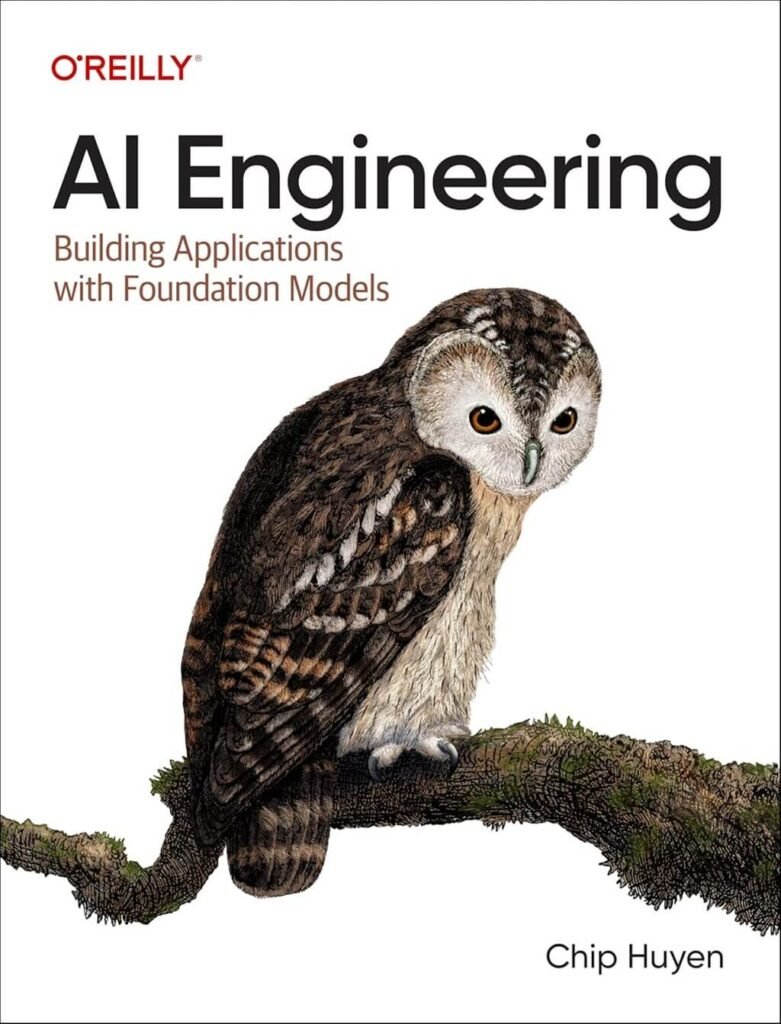
1. AI Engineering: Applications with Foundation Models
Author: Chip Huyen
- Best For: AI engineers, developers, automation architects, and technical professionals
- Difficulty: Intermediate
Why It’s One of the Best AI Workflow Books
AI Engineering has quickly become one of the most practical books for professionals building real AI-powered applications. Instead of treating AI as a standalone model, it explains how modern AI systems are designed, deployed, monitored, and improved throughout their lifecycle.
For anyone building workflow automation, this systems perspective is invaluable. The book covers concepts such as:
- AI application architecture
- Model selection
- Retrieval-Augmented Generation (RAG)
- Prompt workflows
- Evaluation strategies
- Production deployment
- Monitoring AI performance
Rather than focusing on isolated prompts, it encourages readers to think about complete AI systems that interact with APIs, databases, users, and business processes.
Why It Matters for AI Workflows
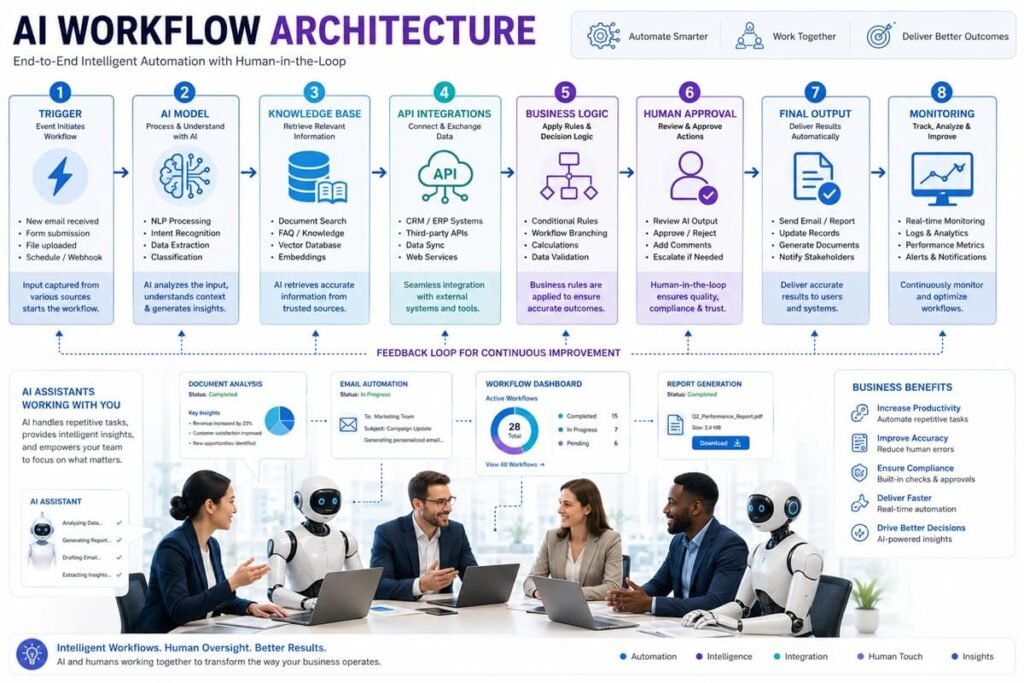
Modern workflows rarely consist of a single AI model. Instead, they involve:
- Trigger events
- Multiple AI calls
- External APIs
- Databases
- Validation layers
- Human approval
- Continuous monitoring
Understanding how these components work together is essential for building reliable automations.
Best For
- AI developers
- Automation engineers
- Technical founders
- SaaS builders
- Enterprise AI teams
Workflow Rating: ⭐⭐⭐⭐⭐
Key Takeaway: Learn how production-grade AI systems are architected, evaluated, and maintained—not just how to call an AI model.
Kindle • Paperback • Hardcover
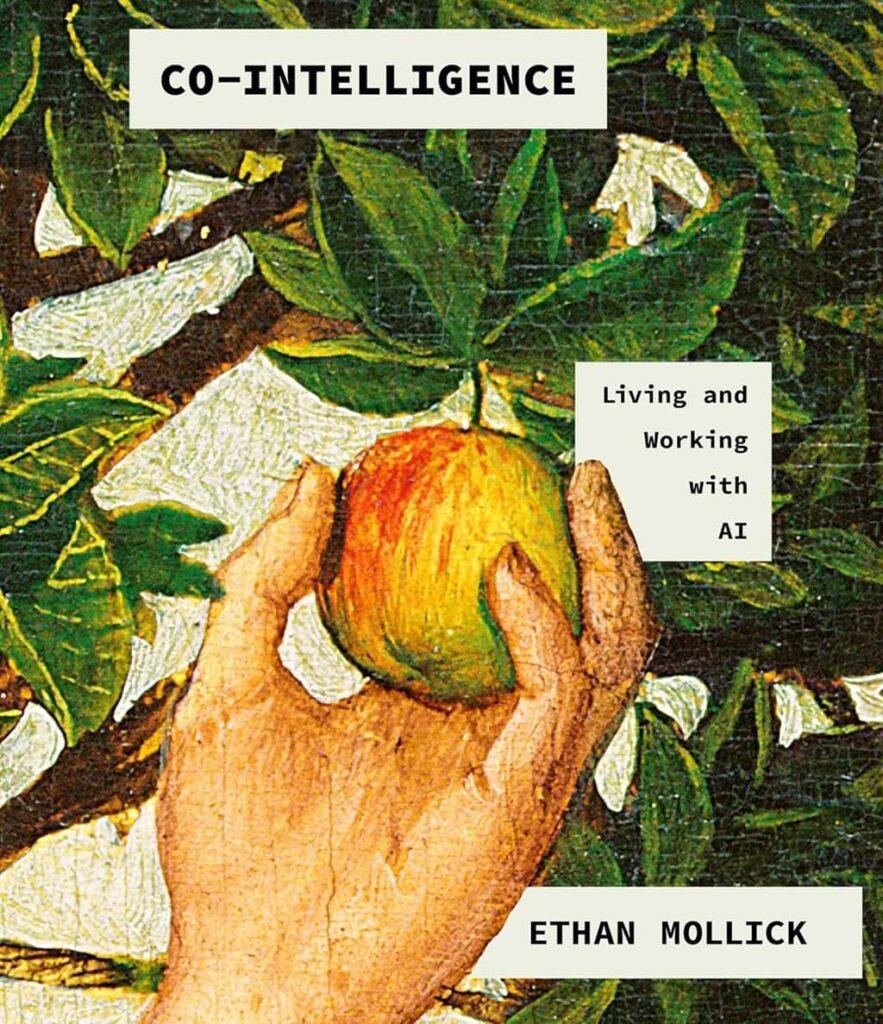
2. Co-Intelligence: Living and Working with AI
Author: Ethan Mollick
- Best For: Business professionals, marketers, consultants, founders, and knowledge workers
- Difficulty: Beginner
Why It Stands Out
Many AI books focus heavily on technology. Co-Intelligence focuses on people. Instead of asking how AI works internally, it explores how professionals can collaborate effectively with AI across everyday work.
This mindset is especially valuable for workflow automation because successful automation isn’t about replacing people—it’s about designing better collaboration between humans and AI.
The book encourages readers to think about:
- Delegating repetitive work
- Reviewing AI outputs
- Building trust in automation
- Improving productivity
- Responsible AI adoption
These principles translate directly into modern AI workflow design.
Workflow Applications
After reading this book, you’ll better understand how to identify automation opportunities across:
- Marketing workflows
- Customer support
- Sales operations
- Content production
- Research
- Project management
- Internal documentation
Rather than automating everything, you’ll learn where AI creates the most value.
Best For
- Entrepreneurs
- Marketing teams
- Consultants
- Business owners
- Operations managers
Workflow Rating: ⭐⭐⭐⭐☆
Key Takeaway: Great AI workflows combine human judgment with AI efficiency instead of replacing people entirely.
Kindle • Paperback • Hardcover
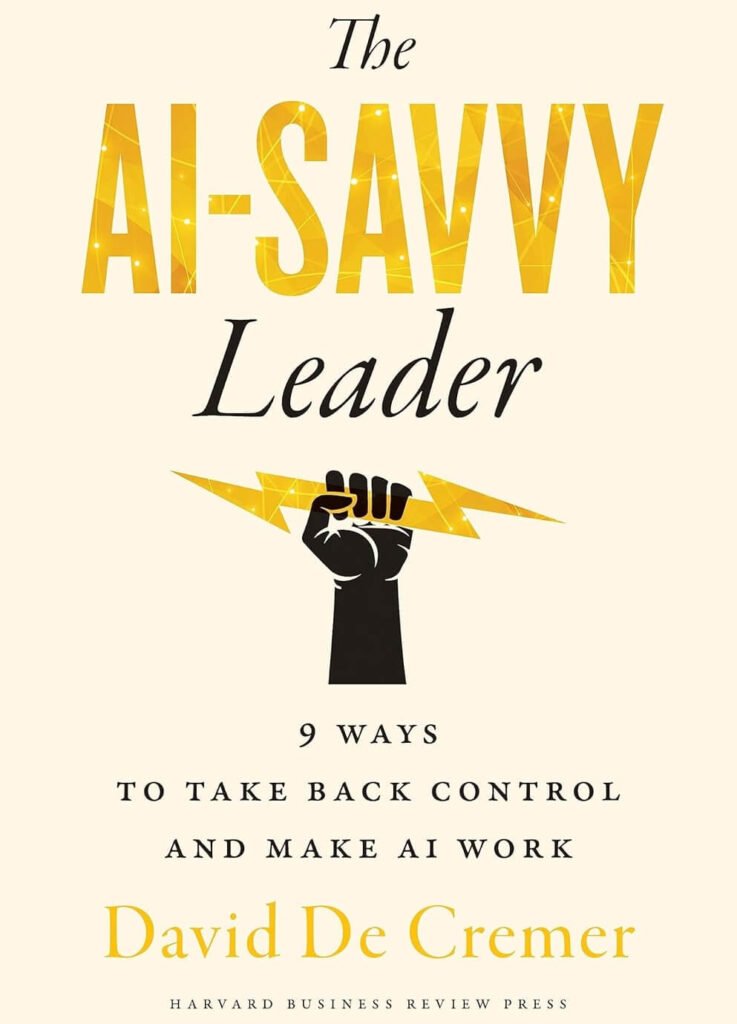
3. The AI-Savvy Leader: Advance AI Workflow Book
Authors: David De Cremer, Garry Kasparov
- Best For: Executives, managers, business leaders, digital transformation teams
- Difficulty: Beginner
Why Leaders Should Read It
Many organizations purchase AI tools before understanding how AI changes decision-making and business operations. The AI-Savvy Leader approaches AI from a leadership perspective to help organizations adopt AI strategically rather than tactically.
Readers learn how to:
- Identify high-value automation opportunities
- Build AI-ready teams
- Develop governance policies
- Balance innovation with risk
- Measure AI impact
These topics are critical for enterprise workflow automation, where technology, people, and business goals must remain aligned.
Workflow Value
The strongest AI workflows are rarely technical projects alone.
They require:
- Clear business objectives
- Process redesign
- Cross-functional collaboration
- Change management
- Ongoing measurement
This book provides that broader organizational perspective.
Best For
- CEOs
- Operations directors
- Product managers
- Department heads
- Digital transformation consultants
Workflow Rating: ⭐⭐⭐⭐☆
Key Takeaway: Successful AI workflows begin with solving business problems—not deploying technology for its own sake.
Kindle • Paperback • Hardcover
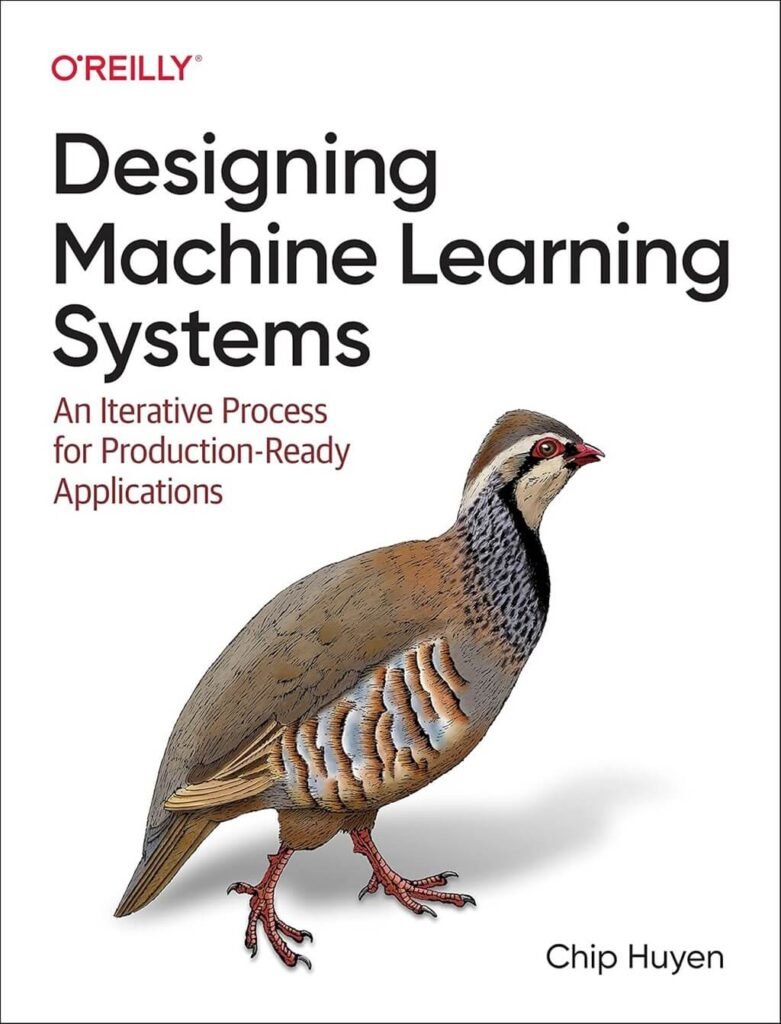
4. Designing Machine Learning Systems
Author: Chip Huyen
- Best For: Advanced practitioners, AI engineers, platform teams, enterprise developers
- Difficulty: Advanced
Why It’s Essential for Enterprise AI
Once AI workflows move beyond prototypes, they become engineering systems.Designing Machine Learning Systems explains how to build reliable AI infrastructure capable of supporting production environments.
Although the book emphasizes machine learning systems, many of its concepts apply directly to enterprise workflow automation. Topics include:
- Data pipelines
- Model deployment
- Monitoring
- Evaluation
- Scalability
- Infrastructure
- Continuous improvement
These principles help ensure AI workflows remain dependable as usage grows.
Workflow Lessons
Enterprise AI workflows depend on more than prompts.
They require:
- Reliable data ingestion
- Automated monitoring
- Error handling
- Version control
- Security
- Governance
- Performance optimization
This book helps readers think beyond experimentation and toward long-term operational success.
Best For
- Enterprise architects
- AI platform engineers
- DevOps teams
- MLOps professionals
- Technical consultants
Workflow Rating: ⭐⭐⭐⭐⭐
Key Takeaway: Building trustworthy AI workflows requires robust engineering practices as much as powerful models.
Kindle • Paperback • Hardcover
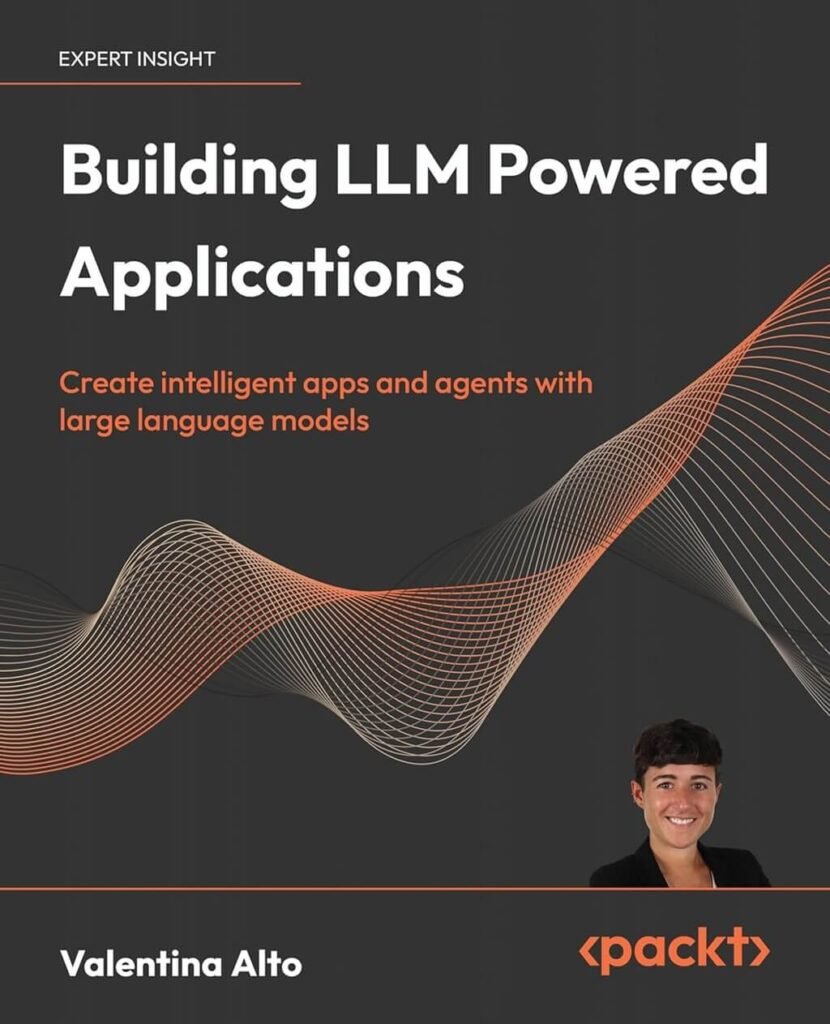
5. Building LLM-Powered Applications
Authors: Valentina Alto, Packt Publishing
- Best For: Developers, AI solution architects, and automation builders
- Difficulty: Intermediate
Why It’s Worth Reading
Large Language Models (LLMs) have become the foundation of many modern AI workflows. However, creating reliable AI applications requires much more than sending prompts to an API.
This book focuses on designing practical applications powered by LLMs, covering concepts such as prompt engineering, retrieval-augmented generation (RAG), vector databases, API integration, and application architecture. These are the building blocks behind intelligent workflow automation systems.
Instead of treating AI as a single feature, the book shows how LLMs fit into complete business processes—from receiving user input to retrieving knowledge, generating responses, validating outputs, and integrating with other software.
Workflow Applications
The concepts in this book are useful for building workflows such as:
- AI customer support assistants
- Knowledge management systems
- Document processing pipelines
- Email automation
- Internal company chatbots
- AI-powered research assistants
If your goal is to create production-ready AI automations, this book bridges the gap between experimentation and implementation. To put these concepts into practice more quickly, explore our collection of AI workflow templates that demonstrate common automation patterns for marketing, customer support, document processing, and internal operations.
Best For
- Software developers
- AI consultants
- SaaS founders
- Workflow automation specialists
Workflow Rating: ⭐⭐⭐⭐⭐
Key Takeaway: Learn how to design complete LLM applications that integrate seamlessly into business workflows.
Kindle • Paperback • Hardcover
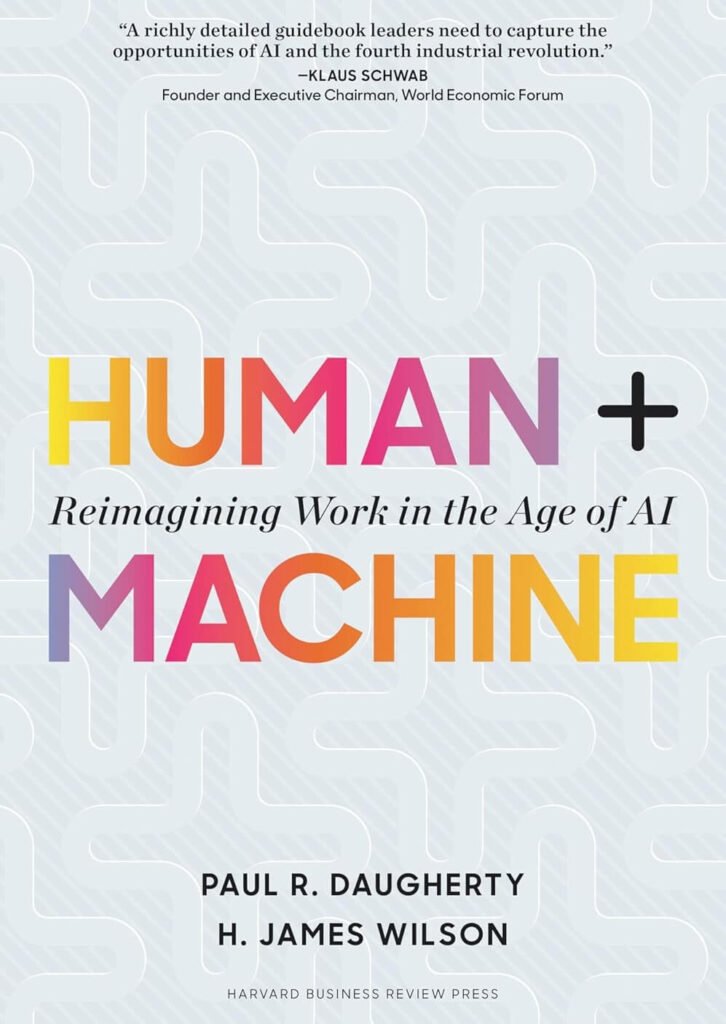
6. Human + Machine: Reimagining Work in the Age of AI
Authors: Paul R. Daugherty & H. James Wilson
- Best For: Business leaders, operations teams, and digital transformation professionals
- Difficulty: Beginner
Why It’s Relevant
One of the biggest misconceptions about AI automation is that success comes from replacing people with machines. In reality, the most effective AI workflows combine human expertise with intelligent automation.
Human + Machine explores how organizations redesign work by allowing AI to handle repetitive, data-intensive tasks while employees focus on creativity, judgment, and customer relationships. This perspective remains highly relevant as companies adopt AI agents and workflow orchestration tools.
Workflow Lessons
Readers learn how organizations can:
- Identify repetitive processes
- Redesign business workflows
- Increase employee productivity
- Improve customer experiences
- Scale operations responsibly
Rather than viewing automation as a technology project, the book emphasizes organizational change and process improvement.
Best For
- Operations managers
- HR leaders
- Business consultants
- Transformation teams
- Executives
Workflow Rating: ⭐⭐⭐⭐☆
Key Takeaway: AI delivers the greatest value when workflows are redesigned around collaboration between humans and intelligent systems.
Kindle • Paperback • Hardcover
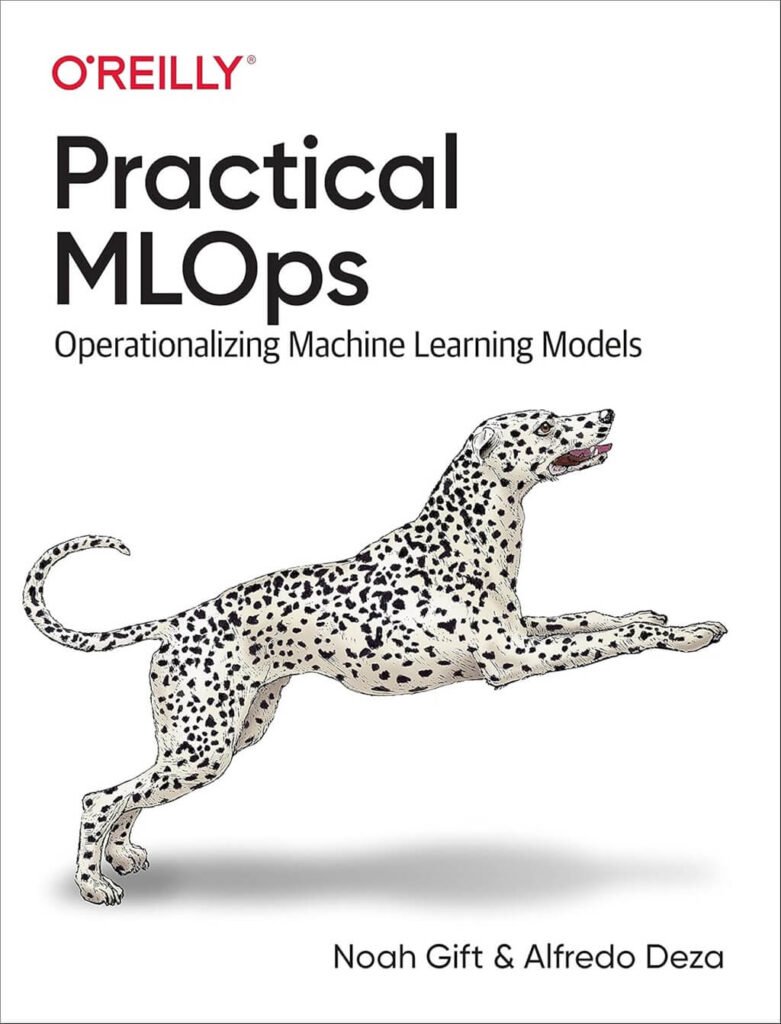
7. Practical MLOps: Top AI Book for Team
Authors: Noah Gift & Alfredo Deza
- Best For: Machine learning engineers, DevOps professionals, and enterprise AI teams
- Difficulty: Advanced
Why It Matters
Creating an AI workflow is only the beginning. Keeping that workflow reliable, scalable, and secure is an ongoing engineering challenge.
Practical MLOps introduces the operational practices needed to deploy and maintain AI systems in production environments. While it focuses on machine learning operations, many principles apply directly to AI workflow automation.
Topics include:
- CI/CD for AI systems
- Model monitoring
- Automation pipelines
- Infrastructure management
- Version control
- Testing
- Performance optimization
These practices help ensure AI workflows continue performing as expected over time.
Workflow Applications
Organizations building AI-powered workflows should understand how to:
- Monitor workflow health
- Detect failures
- Track model performance
- Automate deployments
- Reduce operational risks
These capabilities become increasingly important as AI workflows expand across departments.
Best For
- Enterprise AI teams
- Platform engineers
- DevOps professionals
- AI infrastructure architects
Workflow Rating: ⭐⭐⭐⭐⭐
Key Takeaway: Reliable AI automation depends on strong operational practices, not just intelligent models.
“As AI workflows expand across teams and business systems, security and governance become increasingly important. Explore our expert insight about AI workflow security best practices covers authentication, data privacy, access control, and compliance considerations.“
Kindle • Paperback • Hardcover
8. Managing teams in the Age of AI
Authors: Ankur Agrawal
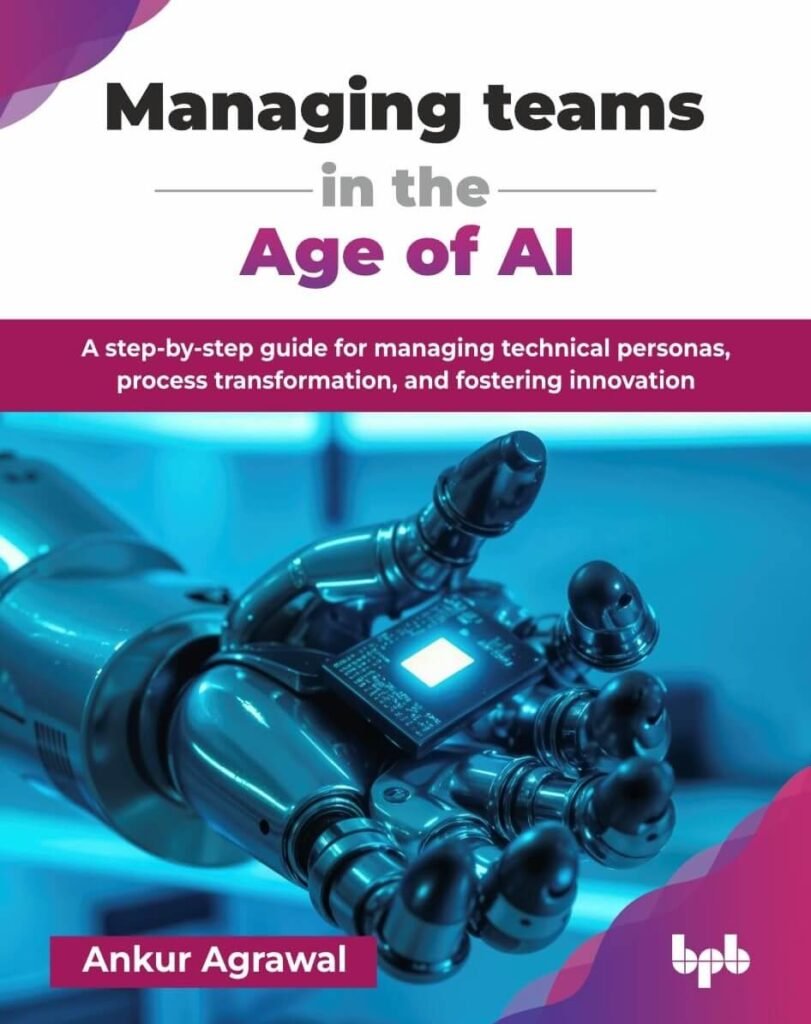
- Best For: Organizations implementing AI across multiple departments
- Difficulty: Intermediate
Why It Deserves a Place on This List
Many companies successfully build one AI project but struggle to scale AI across the organization. Books focused on AI engineering for teams address common challenges such as governance, collaboration, deployment standards, documentation, and reusable workflow components. These topics become increasingly important as businesses move from isolated automations to enterprise-wide AI ecosystems.
Workflow Lessons
Readers learn how to:
- Standardize AI development
- Build reusable workflow templates
- Improve collaboration between technical and business teams
- Document AI systems
- Establish governance frameworks
- Scale AI responsibly
These practices reduce duplication, improve consistency, and accelerate future automation projects.
Best For
- Enterprise organizations
- Automation consultants
- Technical project managers
- AI implementation teams
Workflow Rating: ⭐⭐⭐⭐☆
Key Takeaway: Scaling AI successfully requires repeatable processes, documentation, and governance—not just powerful technology.
Kindle • Paperback • Hardcover
Which AI Book Should You Read First?
The right starting point depends on your goals and technical background.
| Your Goal | Recommended First Book | Why It Fits |
| Learn AI workflow fundamentals | Co-Intelligence | Explains how humans and AI collaborate effectively in everyday work. |
| Build AI-powered business automations | AI Engineering | Covers modern AI architectures and production workflow design. |
| Develop LLM applications | Building LLM-Powered Applications | Focuses on integrating language models into real software and workflows. |
| Lead AI transformation in your organization | The AI-Savvy Leader | Helps executives align AI initiatives with business strategy. |
| Deploy AI systems at scale | Practical MLOps | Introduces operational best practices for production AI. |
| Design enterprise AI platforms | Designing Machine Learning Systems | Covers scalable architectures, monitoring, and infrastructure. |
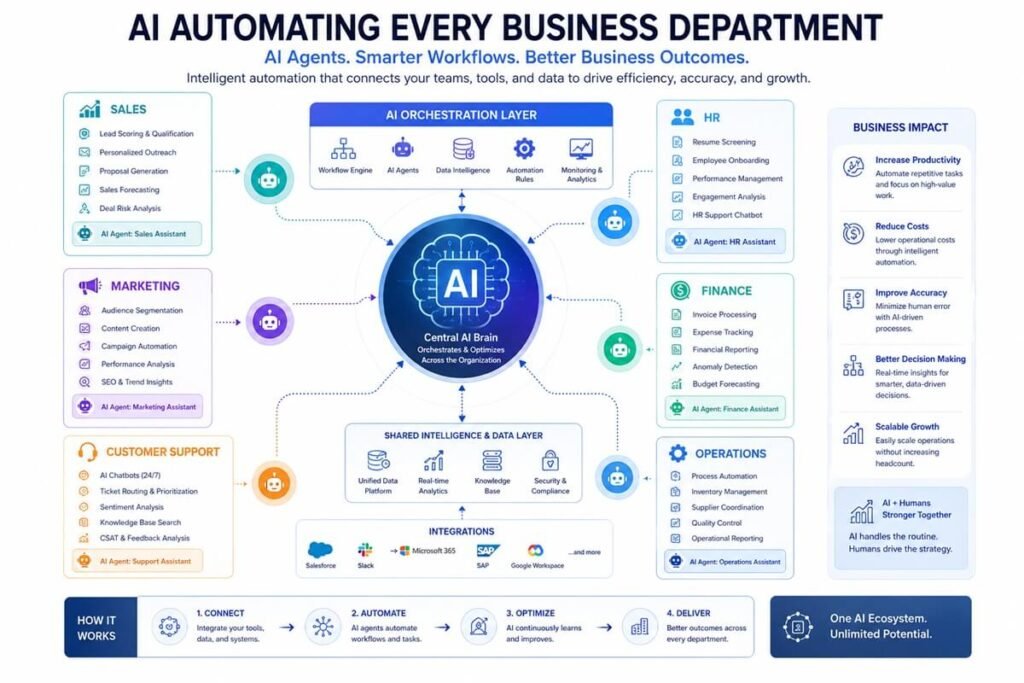
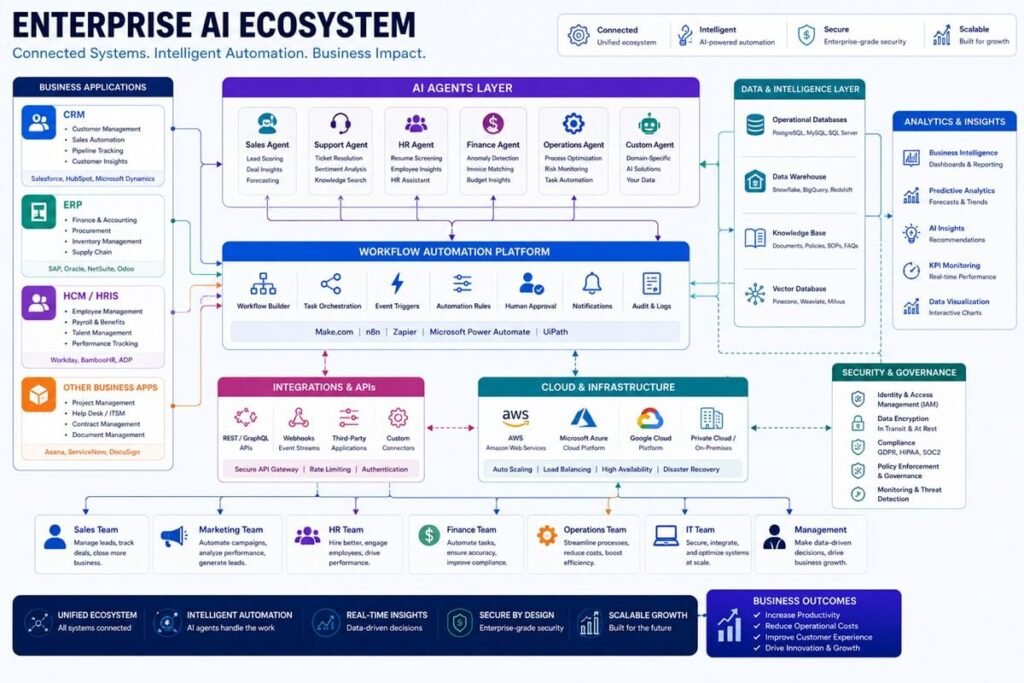
Visualizing automation before implementation makes complex systems easier to understand and optimize. Learn how to create professional AI workflow diagrams for your own automation projects.
Common Themes Across the Best AI Workflow Books
Although each book has a different focus, several important themes appear repeatedly:
AI Is Part of a Larger System
Modern AI solutions rarely operate in isolation. They interact with databases, APIs, business rules, human approvals, and external software. Understanding these connections is essential for designing reliable workflows.
Automation Requires Process Design
Successful automation begins with improving the underlying business process. Simply adding AI to an inefficient workflow often produces disappointing results.
Human Oversight Remains Important
Even advanced AI agents benefit from validation, monitoring, and occasional human intervention. Well-designed workflows include review stages where appropriate to improve accuracy and reduce risk.
Continuous Improvement Is Essential
AI workflows evolve over time. Monitoring performance, gathering user feedback, and refining prompts or models are ongoing responsibilities rather than one-time tasks. These shared principles explain why the books in this guide remain valuable even as AI technologies continue to evolve.
How to Choose the Right AI Book for Your Goals
Not every reader has the same objective. Some want to automate repetitive business tasks, while others are building AI-powered software or leading enterprise AI initiatives. Choosing a book that matches your experience level and goals will help you learn more efficiently.
For Beginners
If you’re new to AI workflows, start with books that explain how AI fits into everyday work and business processes rather than diving straight into technical implementation.
Recommended starting books:
- Co-Intelligence
- The AI-Savvy Leader
- Human + Machine
These titles build a strong foundation in AI adoption, workflow thinking, and organizational change without requiring a programming background.
For Business Owners and Operations Teams
If your goal is to automate marketing, customer support, sales, and CRM processes. If you’re evaluating customer management platforms, check out our guide to the best no-code CRM solutions explains which platforms work well with modern AI automations.
However, look for topics such as:
- Workflow mapping
- Process automation
- AI governance
- Change management
- Productivity improvement
- Automation strategy
These concepts apply whether you’re using no-code automation platforms or enterprise AI software.
For Developers and Technical Teams
Developers should prioritize books that explain how AI systems are designed, integrated, deployed, and monitored.
Key subjects include:
- LLM application architecture
- Retrieval-Augmented Generation (RAG)
- API integration
- AI orchestration
- Model evaluation
- Production deployment
- Monitoring and observability
These skills help transform prototypes into scalable AI solutions.
For Enterprise Organizations
Large organizations often need more than individual automations—they need governance, security, documentation, reusable components, and long-term scalability. Books covering AI engineering, MLOps, and organizational AI strategy provide the most value for enterprise teams.
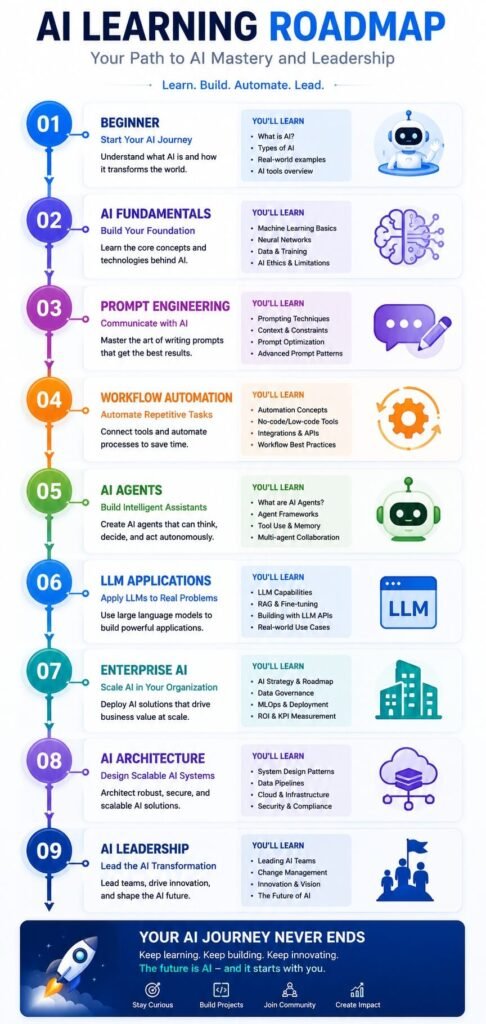
AI Workflow Learning Roadmap
Learning AI workflows is easier when you build your knowledge progressively instead of jumping directly into advanced topics.
| Stage | Focus | Recommended Reading |
| Stage 1 | AI fundamentals and business applications | Co-Intelligence, Human + Machine |
| Stage 2 | Workflow design and AI strategy | The AI-Savvy Leader |
| Stage 3 | AI application development | AI Engineering, Building LLM-Powered Applications |
| Stage 4 | Production systems and deployment | Designing Machine Learning Systems, Practical MLOps |
| Stage 5 | Enterprise AI governance and scaling | Revisit engineering and leadership resources while applying them to real projects |
As you progress through these stages, complement your reading with hands-on practice using workflow automation tools, experimenting with APIs, and building small AI projects.
Common Mistakes When Learning AI Workflows
1. Focusing Only on Prompts
Prompt engineering is important, but AI workflows involve much more. Data sources, integrations, validation, error handling, monitoring, and user experience all contribute to successful automation.
2. Ignoring Business Processes
AI should improve an existing process, not simply add another layer of complexity. Before automating anything, understand the workflow you’re trying to improve.
3. Skipping Hands-On Practice
Reading builds knowledge, but practical experience builds skills.
As you finish each book, try implementing one small workflow using your preferred automation platform. Applying concepts immediately helps reinforce what you’ve learned.
4. Treating AI as a One-Time Project
AI systems require ongoing refinement.
Regularly reviewing outputs, updating prompts, monitoring performance, and incorporating user feedback helps keep workflows accurate and effective.
5. Learning Tools Before Principles
Automation platforms evolve quickly. Instead of memorizing one tool, focus on universal principles such as workflow design, orchestration, process optimization, and AI governance. These concepts remain valuable regardless of which software you use.
Frequently Asked Questions
What is the best book to learn AI workflow automation?
For readers interested in designing modern AI-powered systems, AI Engineering provides one of the strongest foundations because it covers application architecture, deployment, evaluation, and production workflows.
Which AI book is best for beginners?
Co-Intelligence is an excellent starting point because it explains how AI can improve everyday work without requiring technical expertise.
Do I need programming experience to learn AI workflows?
No. Many workflow concepts—including process mapping, automation strategy, AI governance, and business optimization—can be learned without coding. Technical skills become more important as you move toward custom AI application development.
Are books enough to master AI automation?
Books provide foundational knowledge, but practical experience is essential. Building workflows, experimenting with automation tools, and solving real business problems are the fastest ways to develop expertise.
What should I learn after reading these books?
Once you’ve completed the recommended reading, focus on practical skills such as:
- Workflow orchestration
- API integrations
- AI agent design
- Retrieval-Augmented Generation (RAG)
- Workflow monitoring
- Automation security
- AI governance
- Business process optimization
Combining theory with hands-on implementation will accelerate your learning.
Final Thoughts
AI workflows are becoming a core capability for modern businesses. Whether you’re automating internal operations, creating AI-powered customer experiences, or building intelligent software, understanding how workflows are designed is just as important as understanding the AI models themselves.
The books in this guide cover complementary aspects of that journey—from business strategy and organizational change to application development and production engineering. Together, they provide a balanced learning path that can help beginners gain confidence while giving experienced professionals deeper insight into building scalable, reliable AI systems.
Rather than reading every title at once, choose the book that aligns with your current goals, apply what you learn through real projects, and gradually expand your knowledge.