AI SDR Services: How B2B Companies Are Automating Cold Outreach and Scaling Sales Faster

B2B sales teams are under more pressure than ever to generate qualified leads, book meetings, and drive revenue growth. At the same time, traditional outbound prospecting has become increasingly difficult. Buyers receive hundreds of emails every week, response rates continue to decline, and hiring large sales development teams is expensive.
As a result, many organizations are turning to AI SDR services to automate prospecting, personalize outreach at scale, and improve sales efficiency.
AI-powered Sales Development Representatives (SDRs) are transforming how businesses identify prospects, qualify leads, and initiate conversations. Instead of relying solely on human SDRs to manually research companies, build prospect lists, write emails, and follow up repeatedly, AI systems can now handle much of this work automatically.
From startup companies to enterprise sales organizations, AI SDR platforms are helping businesses scale outbound sales efforts while reducing operational costs.
In this guide, you’ll learn:
- What AI SDR services are
- How AI SDRs work
- Benefits and limitations of AI-powered prospecting
- AI SDR vs human SDR comparisons
- Top AI SDR platforms in 2026
- Costs, ROI, and implementation strategies
- Future trends in AI sales automation
Best AI SDR Platforms in 2026 section
What Are AI SDR Services?
| AI SDR Task | Automated by AI? |
|---|---|
| Prospect Research | ✓ |
| Lead Qualification | ✓ |
| Email Outreach | ✓ |
| Follow-Ups | ✓ |
| Meeting Scheduling | ✓ |
| CRM Updates | ✓ |
| Complex Negotiations | ✗ |
| Relationship Building | ✗ |
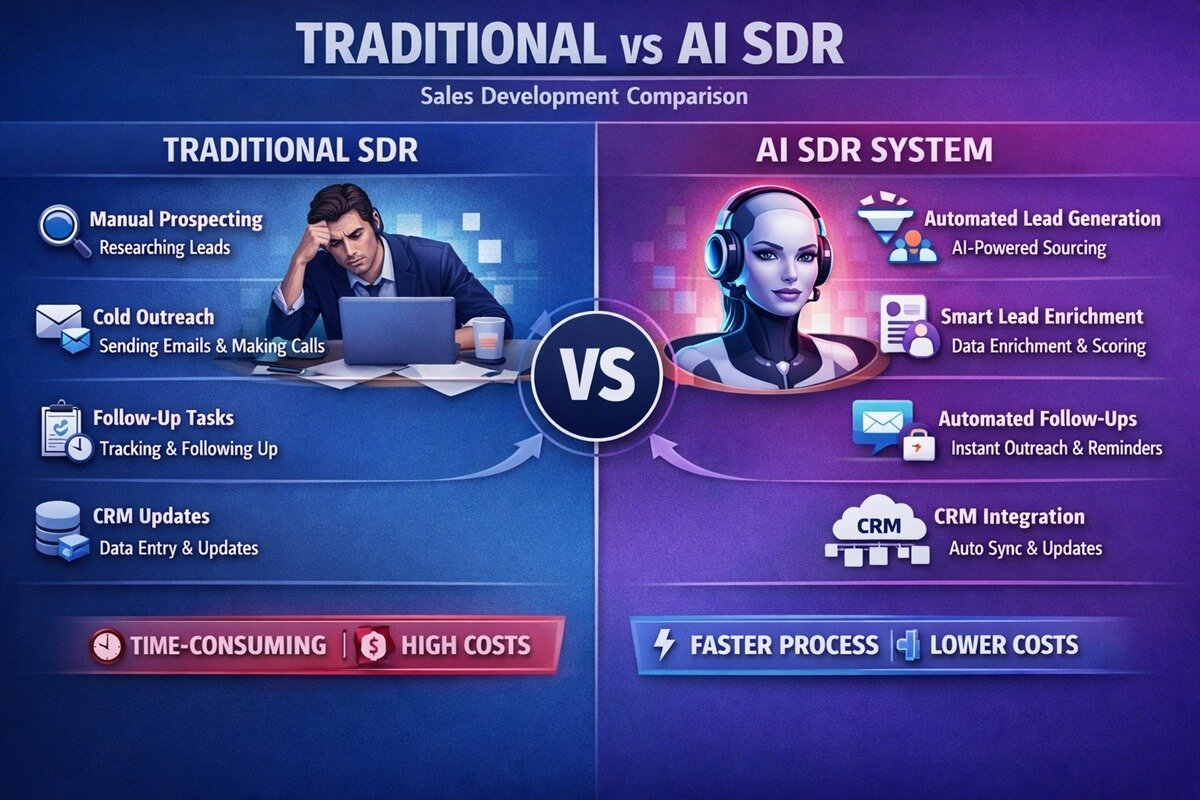
AI SDR services are software solutions or managed services that use artificial intelligence to automate tasks traditionally performed by Sales Development Representatives.
A traditional SDR is responsible for:
- Prospect research
- Lead qualification
- List building
- Cold email outreach
- Follow-up sequences
- Appointment scheduling
- CRM updates
AI SDR platforms automate many of these activities using machine learning, large language models (LLMs), sales intelligence databases, and AI workflow automation tools.
Instead of manually spending hours researching prospects and sending emails, businesses can deploy AI systems that continuously identify potential customers, personalize outreach, and engage leads across multiple channels.
Core Functions of AI SDR Services
Modern AI SDR systems typically handle:
Prospect Discovery
AI identifies ideal customer profiles based on:
- Industry
- Company size
- Revenue
- Technology stack
- Hiring activity
- Buying signals
Lead Enrichment
AI gathers additional information such as:
- Job titles
- Contact information
- Company news
- Funding rounds
- Growth indicators
Personalized Outreach
AI generates customized emails using prospect-specific data.
Automated Follow-Ups
Instead of manually tracking responses, AI schedules and sends follow-up messages automatically.
Meeting Scheduling
AI SDRs can coordinate calendars and book meetings directly with qualified prospects.
CRM Management
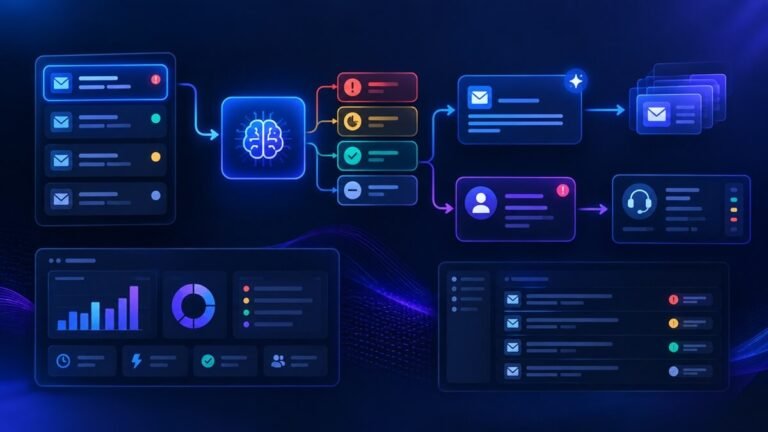
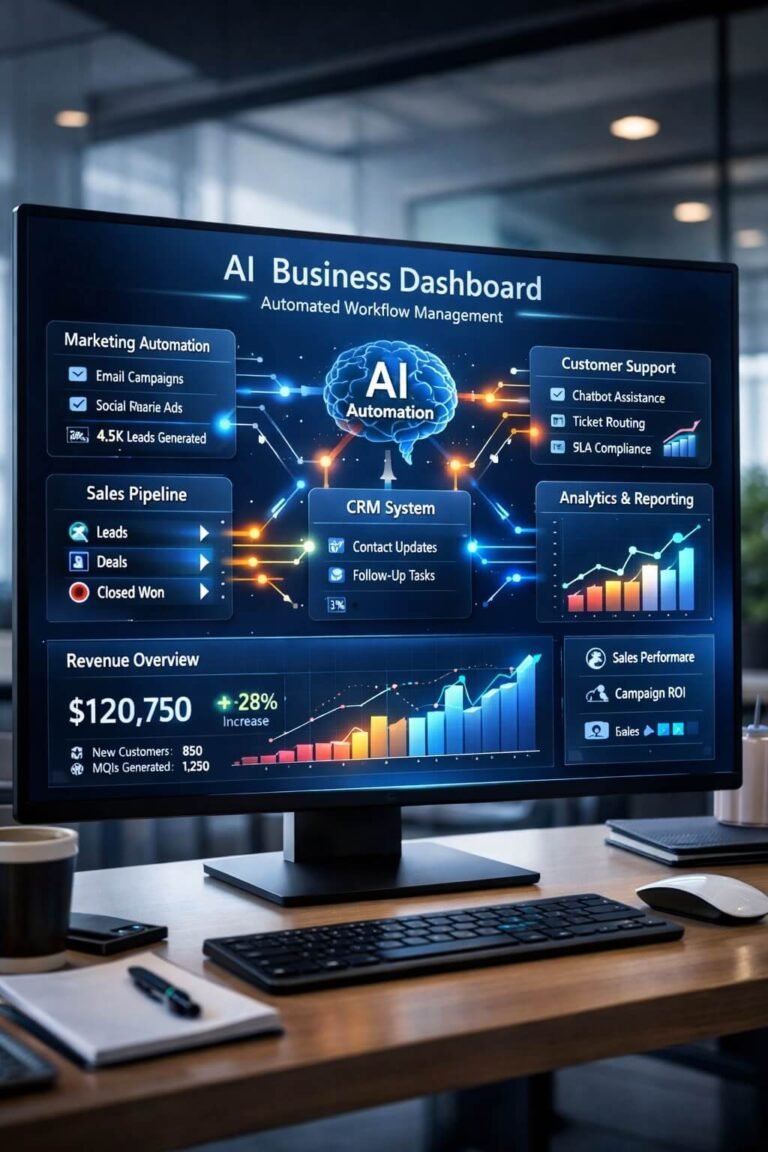
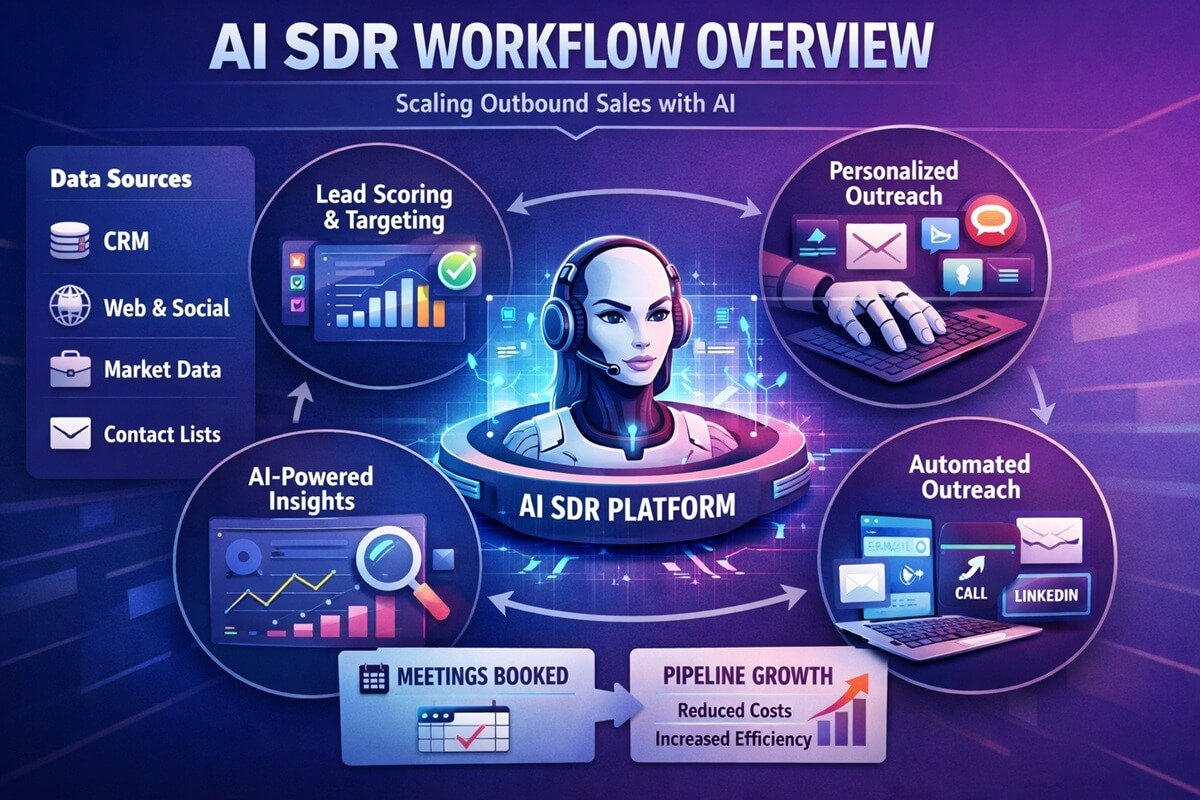
Data is automatically updated within CRM platforms, reducing administrative work. Creating visual AI workflow diagrams can help sales teams understand how prospecting, qualification, and CRM automation interact across the sales funnel.
Why Traditional SDR Teams Are Struggling
Outbound sales has become increasingly complex.
Several factors are driving companies toward automation.
Rising Labor Costs
Building an SDR team requires:
- Recruiting
- Training
- Management
- Salaries
- Benefits
- Sales tools
For many companies, scaling outbound sales means significant operational expenses.
Lower Email Response Rates
Prospects are overwhelmed with outreach.
Generic cold emails rarely generate meaningful engagement.
Sales teams often spend countless hours contacting prospects who never respond.
Manual Processes Don’t Scale
Traditional SDRs spend substantial time:
- Researching prospects
- Updating CRMs
- Building lists
- Scheduling meetings
These activities reduce time available for meaningful sales conversations.
Increased Competition
Virtually every company is competing for buyer attention.
Organizations need smarter outreach strategies to stand out.
AI SDR platforms help solve these challenges by increasing efficiency and improving personalization.
How AI SDR Services Work
Although platforms vary, most AI SDR workflows follow a similar process.
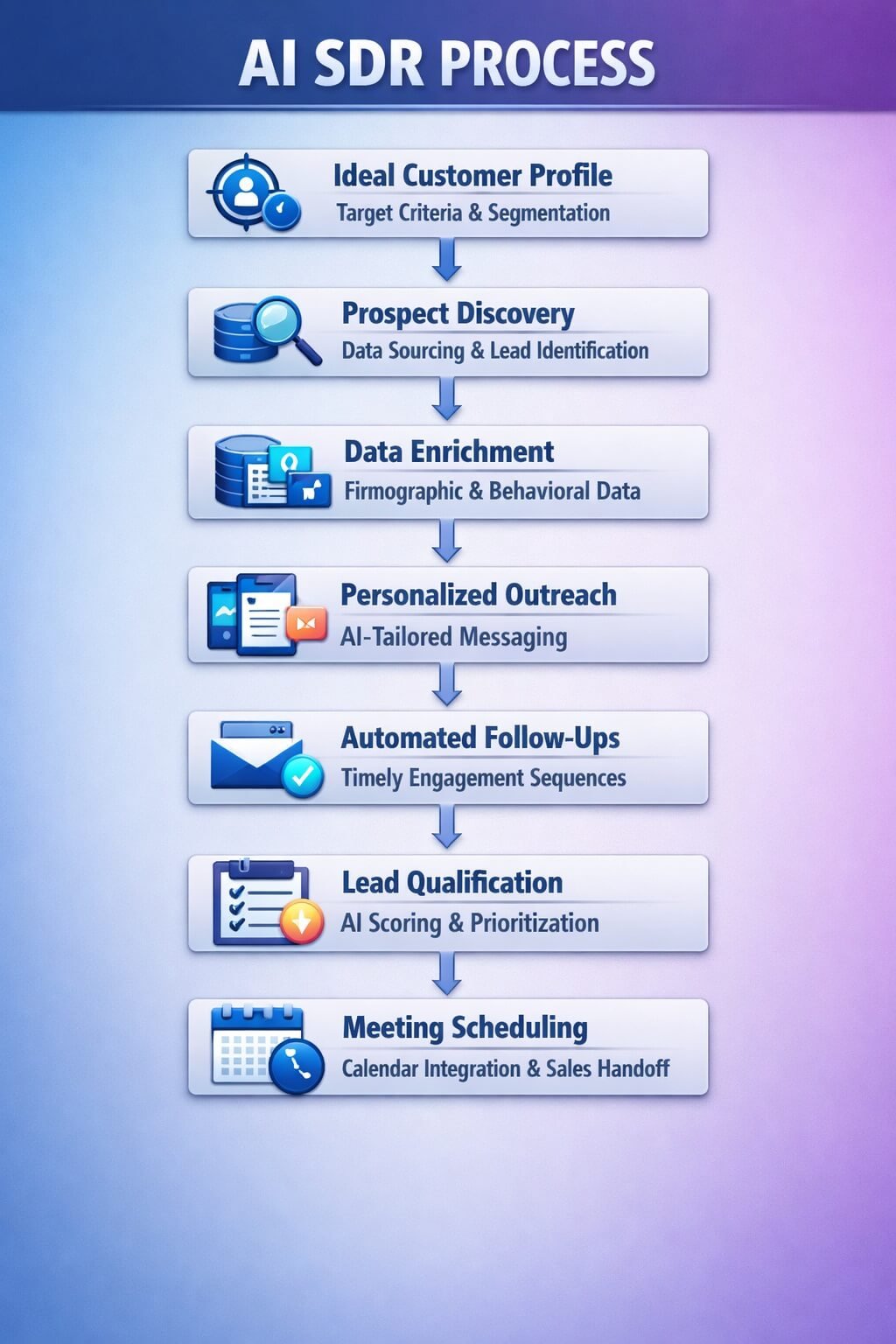
Step 1: Define the Ideal Customer Profile
The company identifies:
- Target industries
- Company size
- Geographic markets
- Decision-maker roles
- Revenue thresholds
This creates the foundation for prospect targeting.
Step 2: AI Identifies Potential Buyers
The platform searches databases and buying signals to discover companies matching the ideal customer profile.
Examples include:
- New funding announcements
- Hiring trends
- Technology adoption
- Website activity
- Intent data
Step 3: Prospect Data Enrichment
AI gathers detailed information about each prospect.
This may include:
- Contact details
- Social profiles
- Company growth indicators
- Industry trends
Step 4: Personalized Message Creation
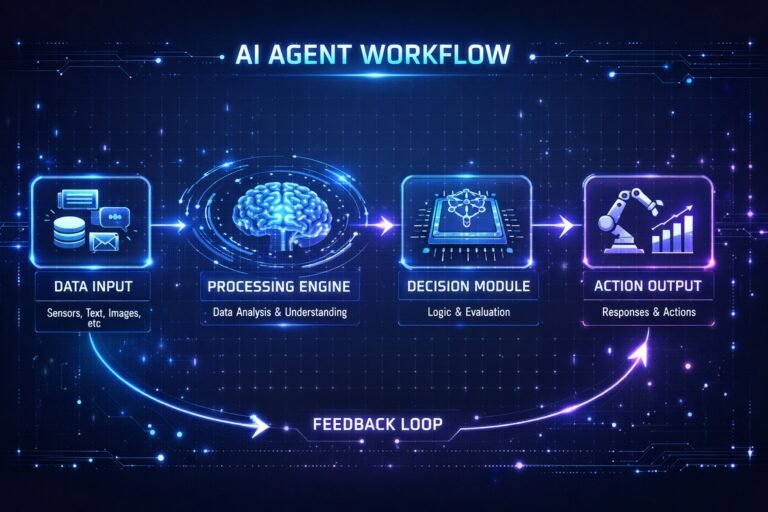
Large language models generate customized outreach based on prospect-specific information. Many modern platforms rely on advanced AI agent workflows to analyze prospect data and determine the next best action automatically.
Examples:
- Recent company news
- Industry challenges
- Business growth events
- Technology changes
Step 5: Automated Multi-Touch Campaigns
AI SDRs manage outreach sequences across:
- SMS
- Voice channels
Follow-ups are triggered automatically.
Step 6: Lead Qualification
AI evaluates prospect engagement.
Signals include:
- Email opens
- Click-through rates
- Replies
- Website visits
- Meeting requests
Step 7: Meeting Handoff
Qualified leads are transferred to account executives or sales representatives for closing conversations.
Benefits of AI SDR Services
1. Increased Productivity
AI can perform prospecting activities 24/7 without breaks.
Sales teams spend more time selling and less time on repetitive tasks.
2. Improved Personalization
Modern AI can generate highly customized outreach based on prospect data.
This often produces stronger engagement than generic cold emails.
3. Faster Lead Generation
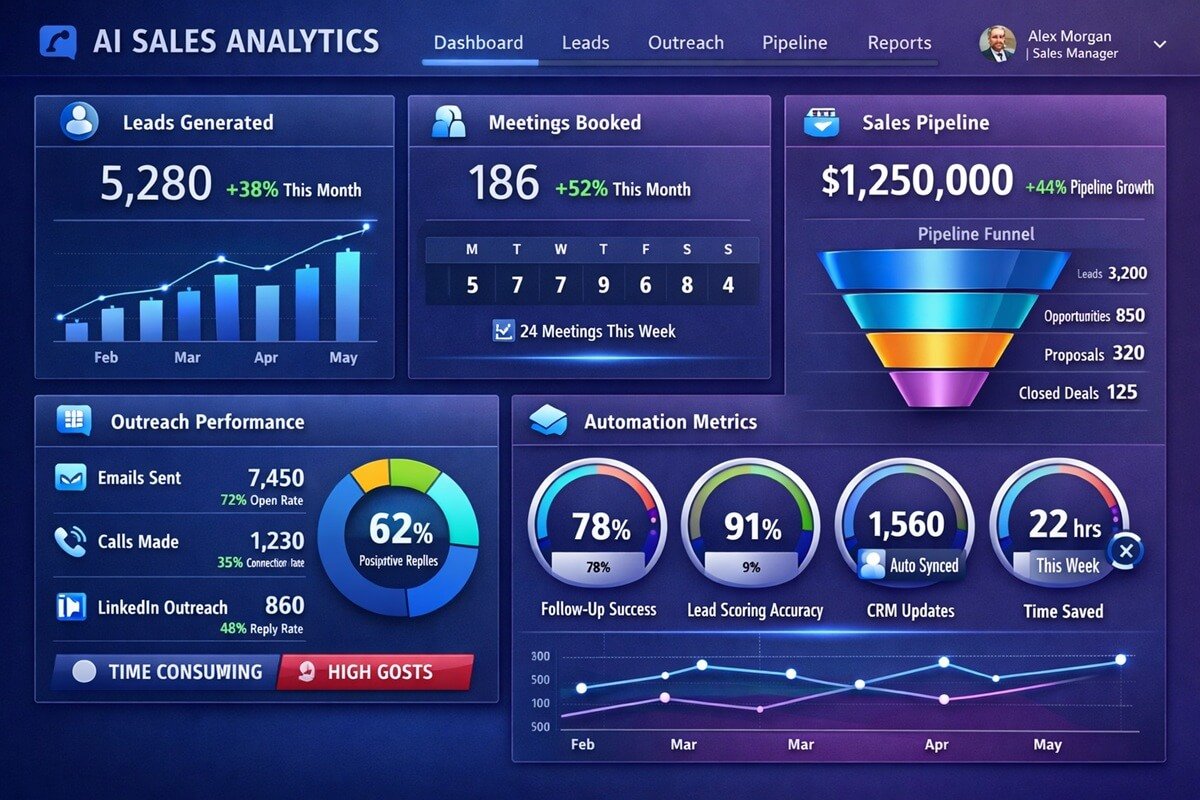
AI SDRs continuously identify and engage prospects.
This accelerates pipeline creation.
4. Lower Operational Costs
Businesses can scale outreach without proportionally increasing headcount.
5. Consistent Follow-Up
Many opportunities are lost because sales teams fail to follow up consistently.
AI eliminates this issue through automated sequences.
6. Better Data Quality
Automated enrichment improves CRM accuracy and prospect intelligence.
7. Scalability
Companies can expand outreach efforts across thousands of prospects without dramatically increasing resources.
AI SDR vs Human SDR
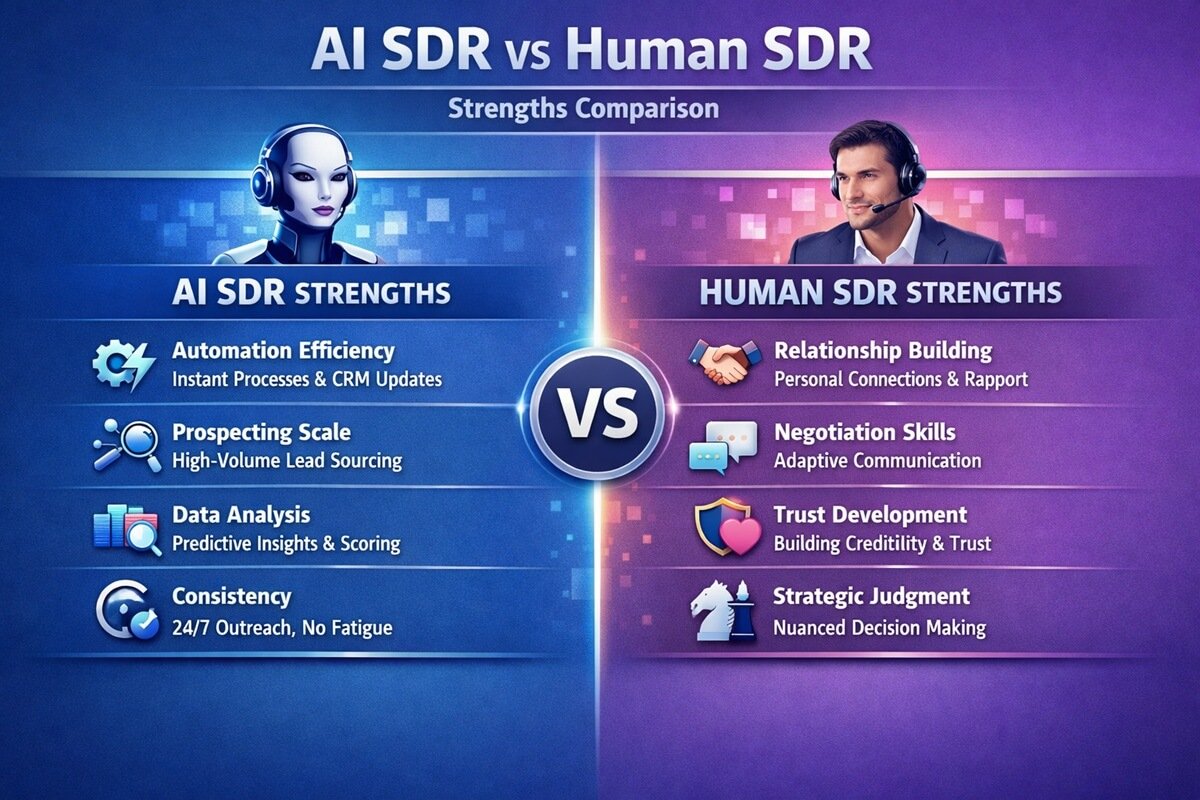
| Feature | AI SDR | Human SDR |
|---|---|---|
| Prospect Research | Automated | Manual |
| Lead Enrichment | Instant | Time-consuming |
| Outreach Volume | Thousands/day | Limited |
| Personalization | Data-driven | Relationship-driven |
| Follow-Ups | Automatic | Manual |
| Availability | 24/7 | Working hours |
| Emotional Intelligence | Limited | High |
| Objection Handling | Basic | Advanced |
| Relationship Building | Limited | Excellent |
| Cost to Scale | Low | High |
One of the most common questions is whether AI SDRs will replace human sales teams. The answer is more nuanced.
AI SDR Strengths
- Data processing at scale
- Automated prospecting
- Rapid personalization
- Consistent follow-ups
- CRM automation
- High-volume outreach
Human SDR Strengths
- Relationship building
- Emotional intelligence
- Complex negotiations
- Objection handling
- Strategic conversations
- Trust development
AI SDR vs Human SDR
The Best Approach: Hybrid Teams
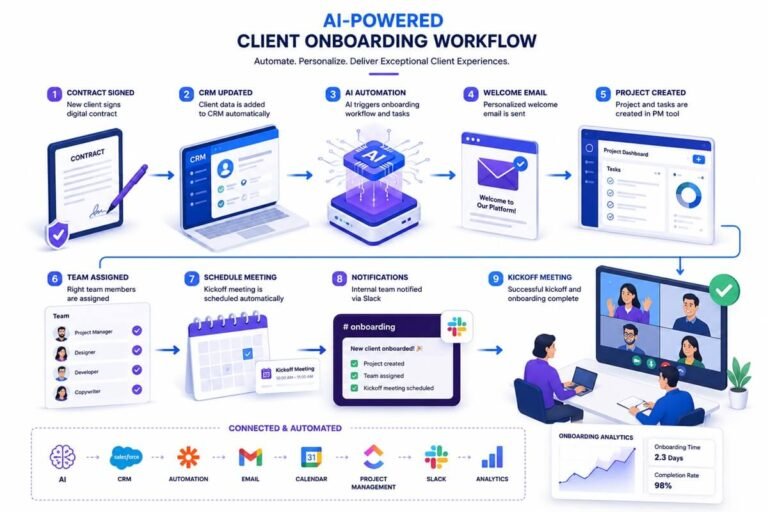
The most successful organizations combine AI and human expertise. A structured SDR workflow ensures that qualified leads move efficiently from marketing to sales while maintaining a consistent follow-up process.
AI handles repetitive tasks while human SDRs focus on:
- Discovery calls
- Relationship development
- Strategic selling
- Closing opportunities
This hybrid model often delivers the highest ROI.
Best AI SDR Platforms in 2026
The AI SDR market has grown rapidly, with dozens of platforms offering varying levels of automation, personalization, and sales intelligence. Choosing the right solution depends on your budget, team size, and outbound sales strategy.
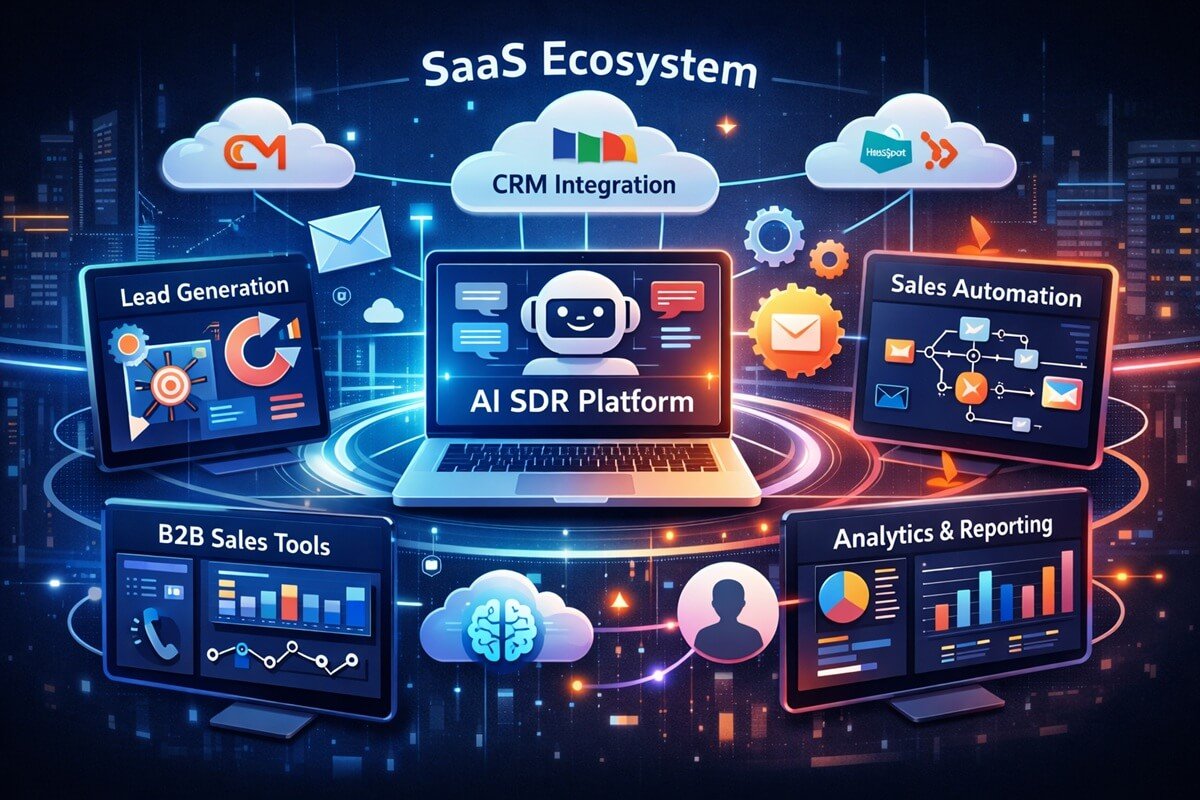
| Platform | Best For | Key Strength | Pricing Model |
|---|---|---|---|
| Clay | Personalized outbound sales | Lead enrichment | Custom |
| Artisan | Autonomous SDR workflows | AI employee model | Custom |
| 11x | AI digital workers | Fully automated prospecting | Enterprise |
| Regie.ai | Sales engagement | AI copywriting | Custom |
| Apollo.io | Prospect database + outreach | Contact data | Subscription |
| Outreach | Enterprise sales teams | Revenue intelligence | Enterprise |
| Salesloft | Revenue operations | Sales engagement | Enterprise |
1. Clay
Clay combines prospecting, enrichment, and AI-powered personalization into a single platform.
Key Features:
- Advanced lead enrichment
- AI-generated outreach
- CRM integrations
- Intent signal monitoring
- Workflow automation
Best For:
Growth-stage startups and outbound sales teams that need highly personalized outreach at scale.
2. Artisan
Artisan is known for its AI employee concept, offering autonomous SDR capabilities designed to handle prospecting and outreach workflows.
Key Features:
- Automated prospect research
- AI-generated messaging
- Multi-step outreach sequences
- Lead qualification
Best For:
Companies looking to automate a significant portion of outbound prospecting.
3. 11x
11x positions itself as a provider of AI-powered digital workers for sales teams.
Key Features:
- Autonomous sales development
- Lead generation automation
- Continuous prospect engagement
- CRM synchronization
Best For:
Organizations seeking a scalable AI SDR solution without expanding headcount.
4. Regie.ai
Regie.ai focuses heavily on AI-assisted sales engagement and content creation.
Key Features:
- AI sales copywriting
- Outreach sequence creation
- Prospecting workflows
- Sales enablement tools
Best For:
Sales teams that want to improve personalization and messaging quality.
5. Apollo.io
Apollo combines sales intelligence with outbound automation.
Key Features:
- Prospect database
- Contact enrichment
- Email automation
- Analytics and reporting
Best For:
Companies that need prospecting data and outreach tools in one platform.
6. Outreach
Outreach remains one of the most widely adopted sales engagement platforms.
Key Features:
- Automated sequences
- Revenue intelligence
- Multi-channel outreach
- Sales forecasting
Best For:
Mid-sized and enterprise sales teams.
7. Salesloft
Salesloft helps organizations streamline revenue workflows and sales engagement.
Key Features:
- Pipeline management
- Automated outreach
- Analytics
- Coaching tools
Best For:
Sales organizations focused on revenue operations and process optimization.
How Much Do AI SDR Services Cost?
| Solution Type | Monthly Cost | Best For |
|---|---|---|
| Entry-Level AI SDR | $50-$300 | Small businesses |
| Mid-Market AI SDR | $500-$2,000 | Growing B2B companies |
| Enterprise AI SDR | $2,000-$20,000+ | Large sales teams |
| Traditional SDR Hire | $5,000-$10,000+ | Human-led prospecting |
Pricing varies significantly depending on platform capabilities and service models.
Entry-Level Solutions
Typical Cost:
$50–$300 per user/month
Usually includes:
- Email automation
- Basic prospecting
- CRM integrations
Best For:
Startups and small businesses.
Mid-Market Platforms
Typical Cost:
$500–$2,000+ per month
Usually includes:
- AI personalization
- Data enrichment
- Multi-channel outreach
- Reporting and analytics
Best For:
Growing B2B companies.
Enterprise AI SDR Solutions
Typical Cost:
$2,000–$20,000+ per month
Usually includes:
- Autonomous SDR workflows
- Intent data
- Custom integrations
- Dedicated support
Best For:
Large sales organizations.
Calculating AI SDR ROI
Many companies invest in AI SDR software because of its potential return on investment. Similar ROI benefits can also be seen with other AI tools for small businesses that automate repetitive operational tasks and improve team productivity.
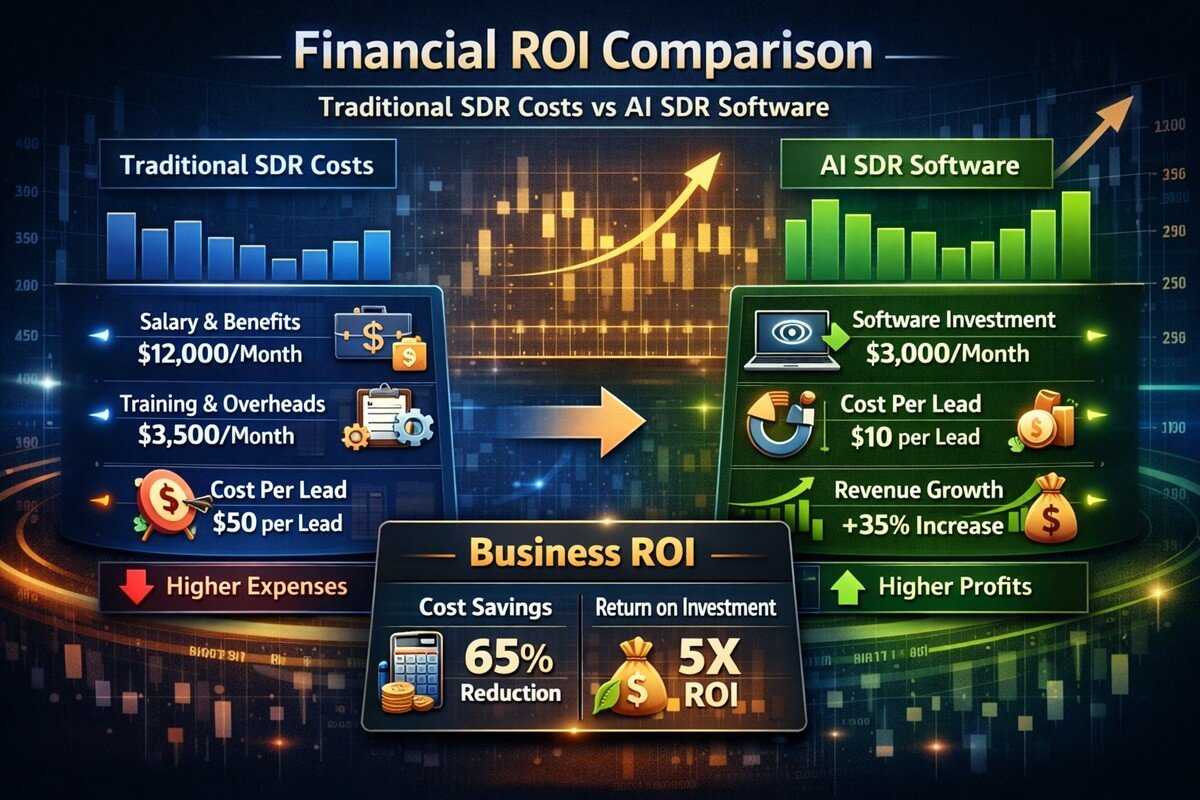
Example Scenario
Traditional SDR Team:
- 4 SDRs
- $60,000 annual salary each
- Total labor cost: $240,000+
AI SDR Platform:
- $2,000/month
- Annual cost: $24,000
Even if AI only handles part of the prospecting workload, businesses can dramatically improve efficiency.
ROI Factors to Measure
Track:
- Meetings booked
- Qualified opportunities
- Pipeline value
- Cost per lead
- Cost per meeting
- Sales cycle length
- Revenue generated
The most successful companies evaluate AI SDR performance based on revenue outcomes rather than activity metrics alone.
How to Implement AI SDR Services Successfully
Many organizations fail because they deploy AI without a clear strategy.
Follow this framework for better results.
Step 1: Define Your Ideal Customer Profile
Document:
- Industry
- Company size
- Revenue range
- Job titles
- Buying triggers
The more precise your targeting, the better your AI SDR performance.
Step 2: Clean Your CRM Data
AI systems rely on accurate data.
Before implementation:
- Remove duplicate contacts
- Update outdated information
- Standardize records
Poor data quality leads to poor outcomes.
Step 3: Create Messaging Frameworks
AI works best when guided by strong messaging.
Develop:
- Value propositions
- Pain points
- Case studies
- Objection responses
This ensures consistent outreach quality.
Step 4: Start Small
Avoid automating thousands of prospects immediately.
Begin with:
- A single market segment
- One campaign
- Limited outreach volume
Test and optimize before scaling. Businesses building custom sales automations may benefit from learning how n8n AI automation workflows connect lead capture, AI qualification, and CRM updates.
Step 5: Monitor Performance
Review:
- Reply rates
- Meeting rates
- Conversion rates
- Pipeline contribution
Continuous optimization is critical.
Step 6: Keep Humans Involved
AI should support sales teams rather than operate completely independently.
Human oversight improves:
- Brand reputation
- Relationship quality
- Conversion rates
Common Challenges of AI SDR Services
While AI offers significant advantages, it is not a perfect solution.
1. Over-Automation
Excessive automation can create generic interactions.
Prospects quickly recognize low-quality outreach.
2. Poor Personalization
Not all AI-generated messages are effective.
Companies must review and refine messaging regularly.
3. Data Accuracy Issues
Outdated contact information can reduce campaign performance.
Regular enrichment and validation are necessary.
4. Deliverability Problems
High-volume outreach can harm email reputation if not managed properly.
Best practices include:
- Domain warming
- Email authentication
- Gradual scaling
5. Compliance Risks
Sales teams must comply with regulations such as:
- GDPR
- CAN-SPAM
- Local privacy laws
Automation does not remove legal responsibilities.
AI SDR Best Practices
To maximize results, follow these guidelines.
Focus on Quality Over Quantity
Sending 1,000 generic emails is rarely effective.
Sending 100 highly relevant emails often produces better outcomes.
Use Multiple Channels
Combine:
- Phone calls
- SMS (where appropriate)
Multi-channel engagement increases response rates.
Continuously Refine Messaging
Review campaign performance regularly.
Update:
- Subject lines
- Value propositions
- Calls to action
Use Intent Signals
Prioritize prospects showing buying intent, such as:
- Website visits
- Funding announcements
- Technology adoption
- Hiring activity
Align Sales and Marketing
AI SDR initiatives perform best when both teams share:
- Target accounts
- Messaging
- Revenue goals
Future Trends in AI SDR Services

AI sales development is evolving at an extraordinary pace. What began as simple email automation has rapidly expanded into intelligent systems capable of prospecting, personalization, lead qualification, and sales workflow management. As artificial intelligence continues to improve, AI SDR platforms are expected to become significantly more autonomous, predictive, and integrated across the entire revenue process.
Here are the key trends shaping the future of AI SDR services.
Autonomous AI Sales Agents
Today’s AI SDRs primarily assist human sales teams, but future systems will operate with far greater autonomy. Advanced AI sales agents will be able to identify prospects, research accounts, generate outreach campaigns, qualify leads, schedule meetings, and optimize engagement strategies with minimal human intervention.
Rather than acting as tools, these systems will function more like digital sales employees that continuously learn from outcomes and improve performance over time. Businesses may eventually deploy multiple AI sales agents dedicated to specific industries, regions, or customer segments.
Real-Time Personalization
Personalization is already a major advantage of AI SDR platforms, but future capabilities will become even more sophisticated.
Instead of relying solely on static prospect data, AI systems will generate outreach based on real-time signals such as:
- Website visits
- Content engagement
- Product usage activity
- Hiring announcements
- Funding events
- Industry news
- Social media activity
This will allow outreach messages to adapt dynamically based on a prospect’s most recent behavior, increasing relevance and improving response rates.
Predictive Pipeline Generation
Machine learning models are becoming increasingly effective at identifying buying signals before prospects actively enter the sales process.
Future AI SDR platforms will analyze large datasets to predict:
- Which accounts are most likely to convert
- When buyers are entering purchasing cycles
- Which decision-makers should be contacted
- Which messaging strategies are most effective
Instead of waiting for leads to express interest, organizations will proactively engage high-potential prospects before competitors recognize the opportunity.
Multi-Agent Sales Systems
One of the most exciting developments is the emergence of multi-agent AI systems.
Rather than relying on a single AI model, future sales organizations may deploy specialized AI agents responsible for different stages of the customer journey.
Examples include:
- Prospecting agents
- Lead qualification agents
- Outreach agents
- Meeting scheduling agents
- Customer success agents
- Revenue forecasting agents
These systems will work together to create a highly coordinated and automated revenue engine. Businesses building custom sales automations are already exploring how AI automation workflows can connect lead capture, qualification, CRM updates, and customer engagement into a seamless process.
Voice-Based AI SDRs
Voice AI technology is advancing rapidly and is expected to become a major component of future sales development strategies.
Modern conversational AI systems can already conduct natural-sounding phone conversations, answer common questions, and qualify prospects. As speech models improve, AI SDRs may handle initial outbound calls, appointment confirmations, and basic qualification conversations before transferring qualified leads to human sales representatives.
This could significantly increase outbound capacity while maintaining a more personal customer experience.
Deep CRM Integration
Future AI SDR platforms will become deeply embedded within CRM and revenue operations ecosystems.
Rather than functioning as separate tools, AI capabilities will be integrated directly into sales workflows, allowing systems to automatically:
- Update contact records
- Score leads
- Recommend next actions
- Generate follow-up tasks
- Forecast revenue opportunities
- Identify pipeline risks
This level of integration will reduce administrative work and provide sales teams with more accurate and actionable insights.
AI-Powered Revenue Intelligence
Revenue intelligence platforms are increasingly incorporating AI to analyze sales conversations, engagement data, and pipeline performance.
Future AI SDR systems will help organizations identify:
- Winning sales patterns
- High-converting outreach strategies
- Common objections
- Pipeline bottlenecks
- Customer acquisition trends
These insights will enable sales leaders to make more informed decisions and continuously improve team performance.
Hyper-Personalized Account-Based Outreach
Account-based marketing (ABM) and account-based sales strategies will benefit significantly from AI advancements.
Future systems will generate highly tailored outreach campaigns for individual target accounts by analyzing company data, stakeholder roles, technology stacks, competitive landscapes, and business priorities. This level of personalization will allow organizations to engage enterprise buyers more effectively while maintaining scale.
Greater Focus on Compliance and Trust
As AI-generated outreach becomes more common, regulatory compliance and buyer trust will become increasingly important.
Future AI SDR platforms are expected to include advanced safeguards for:
- GDPR compliance
- CAN-SPAM compliance
- Data privacy requirements
- Consent management
- Ethical AI usage
Organizations that balance automation with transparency and responsible data practices will likely achieve stronger long-term results.
Human-AI Collaboration Will Become the Standard
Despite advances in automation, the future of sales is unlikely to be fully autonomous.
Complex B2B buying decisions still require human expertise, relationship building, negotiation skills, and strategic thinking. Instead of replacing sales professionals, AI SDRs will increasingly act as intelligent assistants that enhance productivity and improve decision-making.
The most successful organizations will combine AI-powered efficiency with human creativity, empathy, and relationship management to create highly effective sales teams.
Looking Ahead
Over the next several years, AI SDR services are expected to evolve from simple automation tools into intelligent revenue-generation systems. Businesses that adopt these technologies early and integrate them strategically into their sales processes will be better positioned to improve efficiency, increase pipeline growth, and compete in increasingly crowded markets.
As AI capabilities continue to mature, the distinction between sales automation, revenue operations, and customer engagement platforms will become increasingly blurred, creating a more connected and data-driven approach to modern B2B sales.
Will AI Replace SDRs?
The short answer is no. The more realistic outcome is transformation rather than replacement. Just as marketing automation did not eliminate marketers, AI SDR services are unlikely to eliminate sales professionals entirely.
Instead, SDR responsibilities are evolving.
Human representatives will focus more on:
- Relationship building
- Strategic selling
- Complex buying committees
- Consultative conversations
Meanwhile, AI will handle:
- Prospect research
- Data enrichment
- Follow-ups
- Scheduling
- Administrative work
Organizations that combine human expertise with AI automation will likely outperform competitors relying on either approach alone.
Frequently Asked Questions
What is an AI SDR?
An AI SDR (Artificial Intelligence Sales Development Representative) is a software-powered system that automates many of the tasks traditionally performed by human sales development representatives. These tasks include prospect research, lead qualification, contact enrichment, cold email outreach, follow-up sequences, meeting scheduling, and CRM updates.
AI SDRs uses technologies such as machine learning, large language models (LLMs), and sales intelligence data to help businesses generate qualified leads more efficiently and at scale.
Are AI SDR services worth it?
For many B2B companies, AI SDR services can deliver significant value by reducing manual prospecting work and improving outreach efficiency. Organizations often use AI SDR platforms to automate repetitive tasks, increase meeting volume, shorten response times, and scale outbound campaigns without hiring additional staff.
Although results vary by industry and implementation, businesses that combine AI automation with strong sales processes frequently see measurable improvements in lead generation and pipeline growth.
Can AI write cold emails?
Yes. Modern AI SDR platforms can generate personalized cold emails using prospect data such as job titles, company information, industry trends, recent funding announcements, hiring activity, and other buying signals. Rather than sending generic templates, advanced AI systems create customized messages designed to increase engagement and response rates.
However, human review is still recommended to ensure messaging accuracy, brand consistency, and compliance with company guidelines.
What industries benefit most from AI SDRs?
AI SDR services are particularly effective in industries that rely heavily on outbound sales and lead generation. Common examples include:
- SaaS and software companies
- Technology providers
- IT services firms
- Consulting businesses
- Financial services organizations
- Marketing and advertising agencies
- Cybersecurity companies
- Professional service providers
- Business process outsourcing (BPO) firms
Any organization with a defined ideal customer profile and a scalable sales process can potentially benefit from AI-powered sales development.
How much can AI SDRs reduce sales costs?
The cost savings achieved with AI SDRs depend on factors such as team size, outreach volume, and platform capabilities. Many businesses use AI SDR software to reduce the time spent on prospect research, data entry, list building, and follow-up management. By automating repetitive tasks, companies can often increase productivity without proportionally increasing headcount. The greatest ROI typically comes from allowing sales teams to focus more time on revenue-generating conversations and less time on administrative work.
Do AI SDRs replace account executives?
No. AI SDRs and account executives serve different functions within the sales process. AI SDRs are primarily designed to support top-of-funnel activities such as prospecting, lead qualification, outreach, and appointment scheduling. Account executives are responsible for conducting discovery calls, managing sales conversations, handling objections, presenting solutions, negotiating contracts, and closing deals. In most organizations, AI SDRs enhance the effectiveness of account executives rather than replace them.
What is the difference between AI SDRs and AI sales agents?
AI SDRs focus specifically on sales development activities, including prospect identification, outreach automation, lead qualification, and meeting booking. AI sales agents typically have broader responsibilities and may assist throughout the entire sales cycle. Depending on the platform, AI sales agents can support forecasting, customer engagement, pipeline management, proposal generation, and customer success initiatives. In short, AI SDRs specialize in lead generation, while AI sales agents may operate across multiple revenue functions.
What is the biggest advantage of AI SDR services?
The biggest advantage of AI SDR services is the ability to scale personalized outreach without proportionally increasing labor costs. Businesses can engage more prospects, maintain consistent follow-up sequences, enrich lead data automatically, and accelerate pipeline creation while keeping operational expenses under control. This combination of automation, scalability, and personalization makes AI SDR technology one of the most impactful innovations in modern B2B sales.
What are the limitations of AI SDR platforms?
While AI SDR platforms offer powerful automation capabilities, they are not a complete replacement for human sales professionals. AI can struggle with complex relationship-building, nuanced conversations, emotional intelligence, and high-stakes negotiations. Additionally, poor data quality, weak messaging strategies, and excessive automation can reduce campaign effectiveness. The best results typically come from combining AI-driven efficiency with human oversight and strategic sales expertise.
How long does it take to see results from AI SDR services?
Many companies begin seeing improvements in outreach efficiency and lead generation within the first few weeks of implementation. However, achieving optimal results often requires ongoing testing, data refinement, and campaign optimization. Factors such as target market quality, messaging effectiveness, email deliverability, and sales follow-up processes all influence how quickly businesses realize a return on investment from AI SDR software.
Conclusion
AI SDR services are rapidly reshaping B2B sales development. By automating prospect research, lead qualification, personalized outreach, and follow-up activities, organizations can generate more opportunities while improving efficiency. However, the most successful companies are not replacing human sales teams entirely. Instead, they are creating hybrid sales models where AI handles repetitive tasks and human representatives focus on relationship-building and revenue generation.
As AI technology continues to advance, businesses that embrace intelligent sales automation will be better positioned to scale outreach, improve pipeline growth, and compete in increasingly crowded markets. Whether you’re a startup looking to accelerate lead generation or an enterprise seeking operational efficiency, AI SDR services are becoming an essential component of modern B2B sales strategy.
Businesses looking to implement AI-powered prospecting and sales automation can also explore our guide to AI workflow templates for practical automation frameworks that streamline lead generation, qualification, and follow-up processes.